Khmelnytskyi National University continues to actively strengthen its international presence and integration into the European Higher Education Area. An important step in this direction was the participation of Kateryna Skyba, Vice-Rector for Scientific and Pedagogical Work of Khmelnytskyi National University, in the second in-person module of the international professional development program SUUN Training Course 2026, held on April 20–24, 2026, in Saarbrücken, Germany, at Saarland University (Universität des Saarlandes).
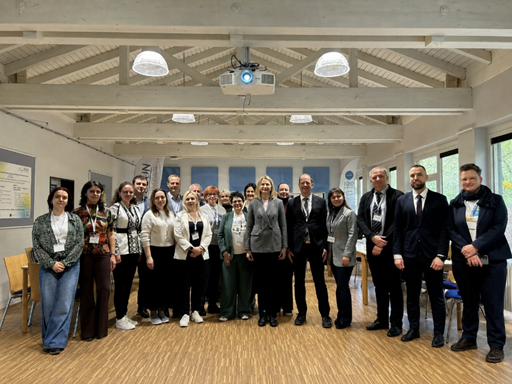
Participation in the program was a significant achievement for Khmelnytskyi National University, as the selection process for SUUN Training Course 2026 was highly competitive and rigorous. Only ten representatives of Ukrainian higher education institutions were selected to join this prestigious international professional development program for university leaders.
For Khmelnytskyi National University, participation in a program of this level is of strategic importance, as it provides direct access to the best European practices in higher education internationalisation, modern approaches to academic leadership, management of international partnerships, development of intercultural communication, and the establishment of effective international university cooperation.
The SUUN Training Course 2026 program focused on the development of strategic academic leadership, university internationalisation, intercultural communication, change management in higher education, and the design of university strategic development plans. Particular attention was devoted to the creation of a Strategic Action Plan (SAP), which participants developed for their institutions.
The training was delivered by leading international experts and professors specialising in international education, academic management, and intercultural leadership. Key speakers included Vice-President for Internationalisation and European Relations of Saarland University, Prof. Dominik Brodowski; Prof. Dr. Astrid Fellner; Prof. Peter Franklin; Dr. Ekaterina Klüh; Dr. Olha Polishchuk; Dr. Alina Mozolevska; Adèle Robart; Tanja Fell; Julia Lenz; Birgit Michel-Dittgen; Prof. Dr. Oleksandr Pronkevych; Dr. Nataliia Ishchenko; and other international experts.
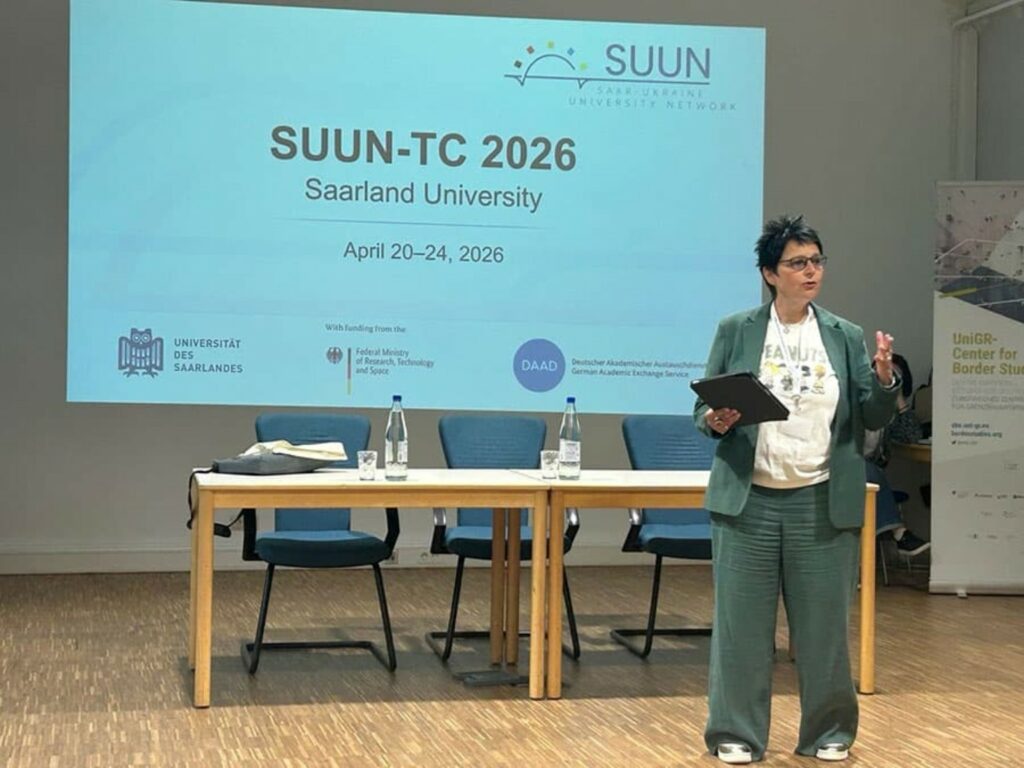
Prof. Dominik Brodowski made a particularly strong impression on participants, who officially opened the program and presented an international vision for the development of the modern European university. In his address, he emphasised the importance of international cooperation, academic solidarity, and support for Ukrainian universities in their integration into the European Higher Education Area. Participants highly appreciated the opportunity to learn from the strategic approach of a senior German university leader to international engagement and the development of European partnerships.
The Academic Director of SUUN Training Course 2026, Prof. Dr. Astrid Fellner, played a central role in the implementation of the training module. She coordinated work on the Strategic Action Plans, moderated discussions on international university development, and introduced participants to contemporary European approaches to internationalisation, strategic planning, and change management in higher education.
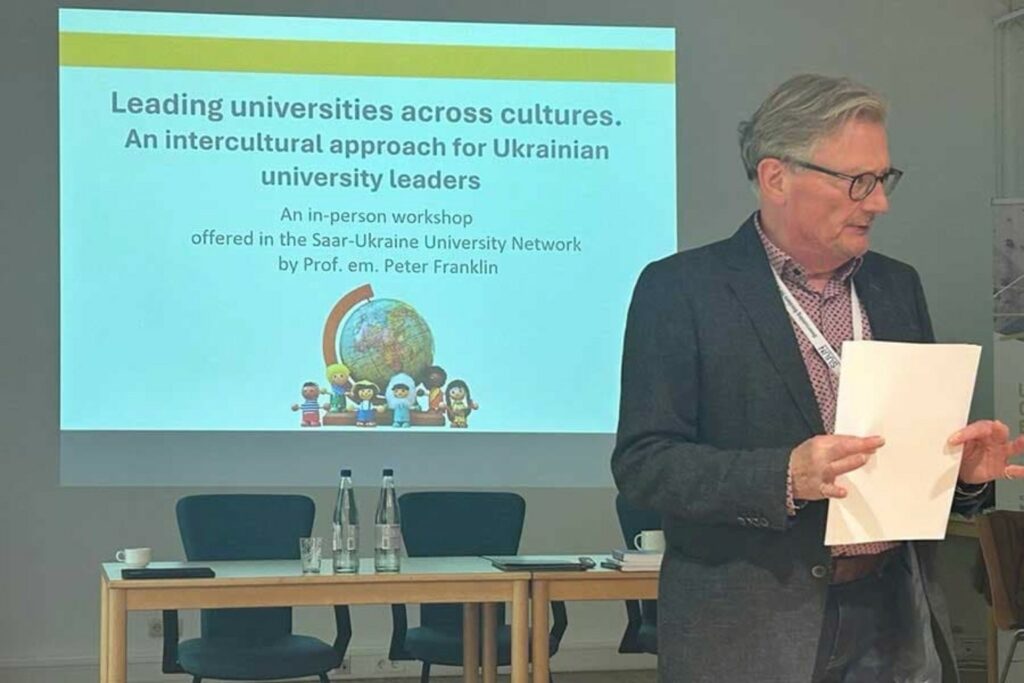
The lectures delivered by Prof. Peter Franklin, a renowned expert in intercultural communication and international academic leadership, were particularly valuable. His sessions focused on international leadership, interaction within international academic environments, intercultural differences in communication, and the role of the contemporary university leader in a globalised world. These sessions attracted exceptional interest among participants.
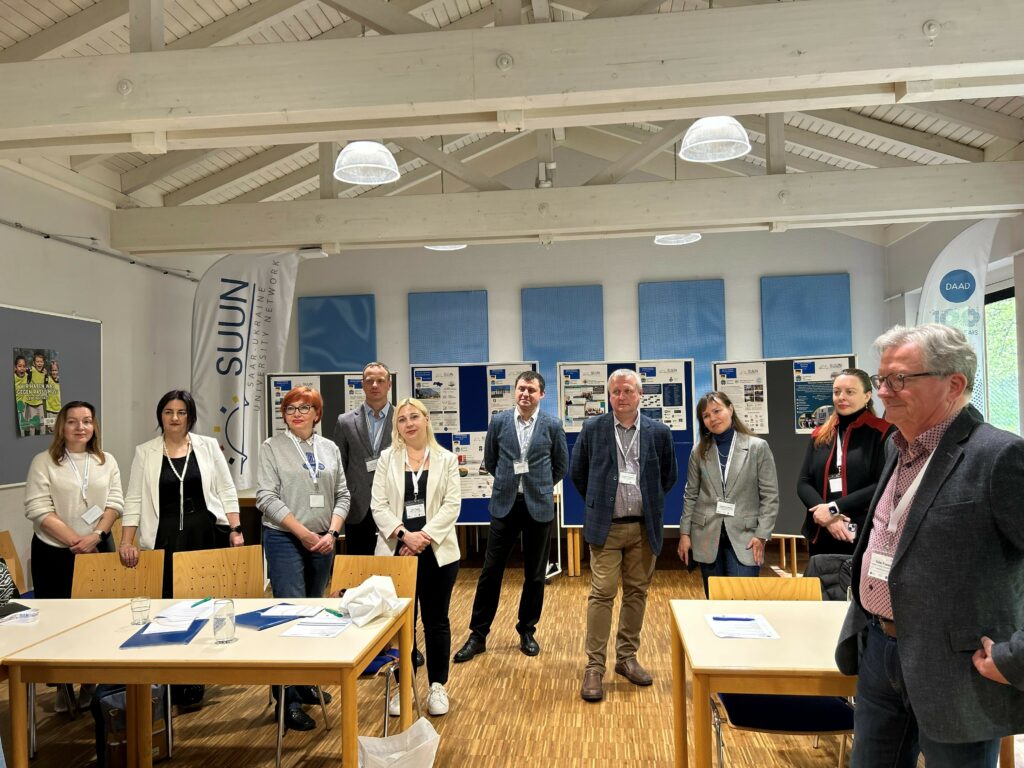
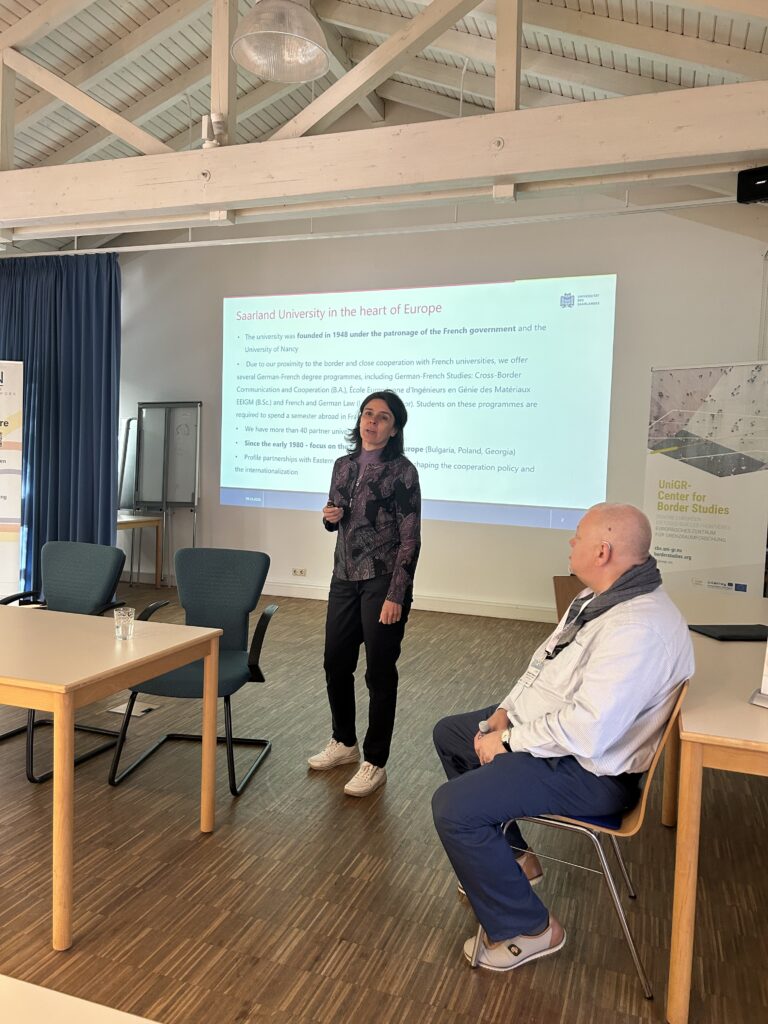
An important contribution to the program was also made by Dr. Ekaterina Klüh, Project Manager of SUUN and representative of the International Office of Saarland University. She introduced participants to the university’s international activities, academic mobility programs, international services, and support mechanisms for international students and partners.
Ukrainian colleagues Dr. Olha Polishchuk and Dr. Alina Mozolevska worked with participants on the practical development of Strategic Action Plans, helping them analyse challenges, risks, and opportunities related to implementing strategic changes within their institutions. Their workshops were especially valuable because they demonstrated how European approaches can be adapted to the Ukrainian context.
Particular interest was generated by a lecture from Prof. Oleksandr Pronkevych dedicated to current challenges and trends in the internationalisation of Ukrainian higher education. During the discussion, participants explored the role of Ukrainian universities within the European educational space, ongoing transformations in Ukrainian higher education, and prospects for international cooperation.
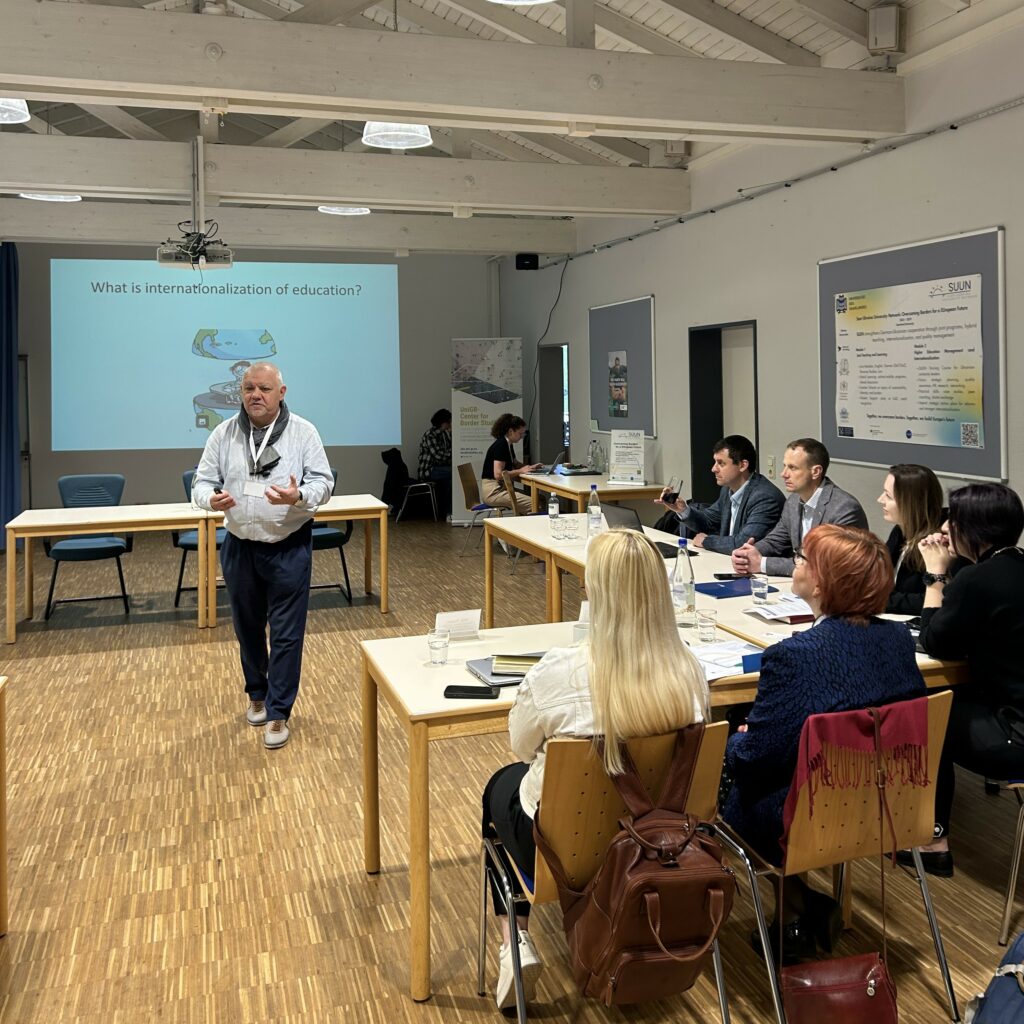
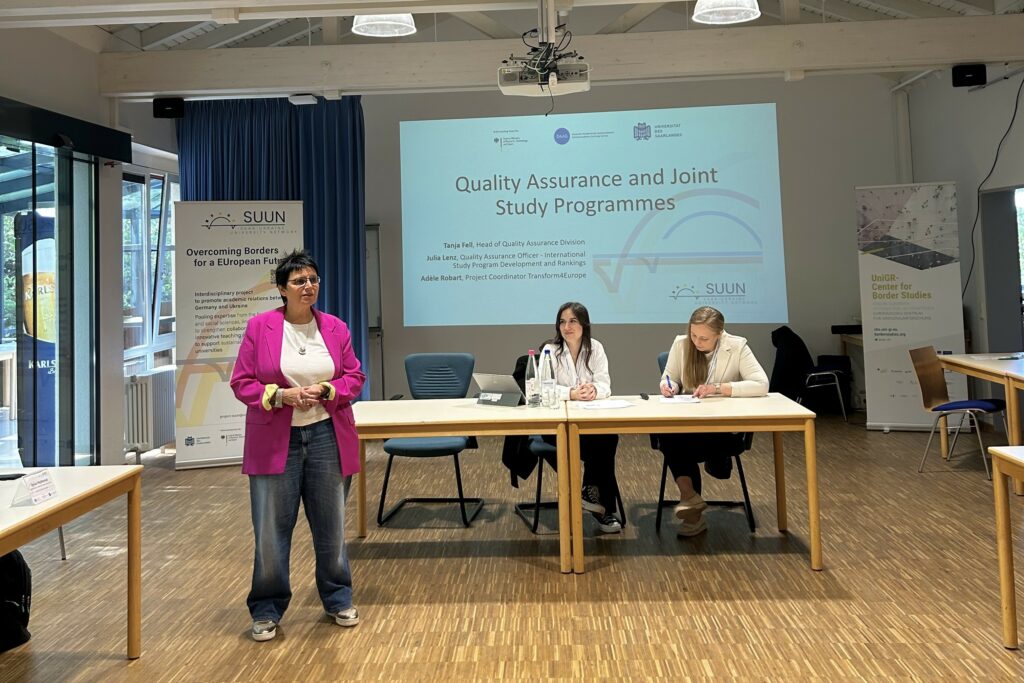
Sessions conducted by Adèle Robart, Tanja Fell, and Julia Lenz focused on quality assurance systems in Germany, international accreditation, and the implementation of joint educational programs. Participants gained insights into the activities of European university alliances and contemporary mechanisms of international educational integration.
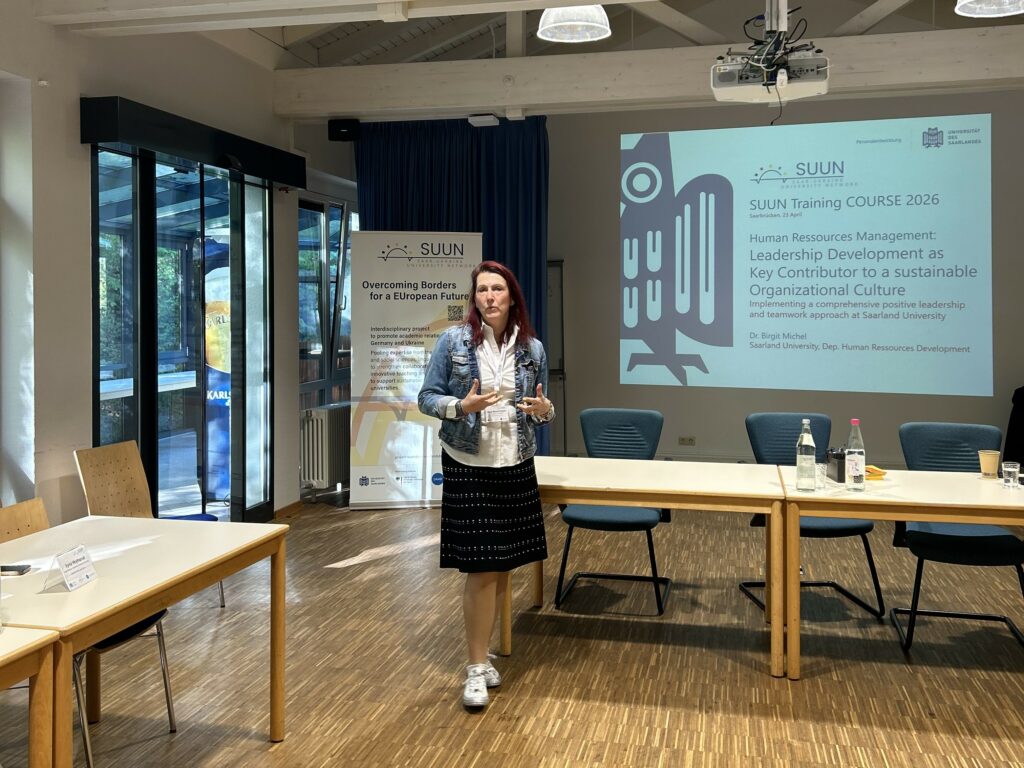
A practical session with Birgit Michel-Dittgen addressed human resources management in modern universities, staff development, and support for academic communities.
Another important component of the program was a session led by Dr. Nataliia Ishchenko on risk analysis and mitigation strategies in the implementation of university strategic plans. Participants examined potential institutional development risks and learned how to design effective mechanisms for addressing them.
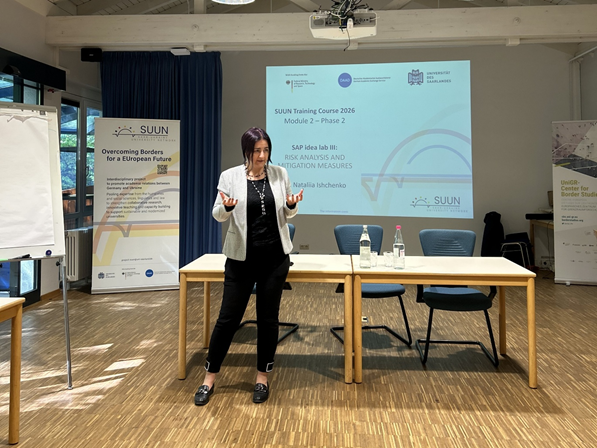
Throughout the training, considerable attention was devoted to intercultural leadership, international academic communication, and the role of modern university management in fostering international partnerships and internationalising higher education.
Participants also worked on analysing the challenges of internationalisation facing Ukrainian universities, including academic mobility, international partnerships, quality assurance, joint degree programs, strategic university development, and risk management in implementing institutional strategies.
A particularly important aspect of the program was the opportunity to become acquainted with Saarland University—one of Germany’s leading public universities and a major international centre for research and education with a strong European and interdisciplinary orientation.
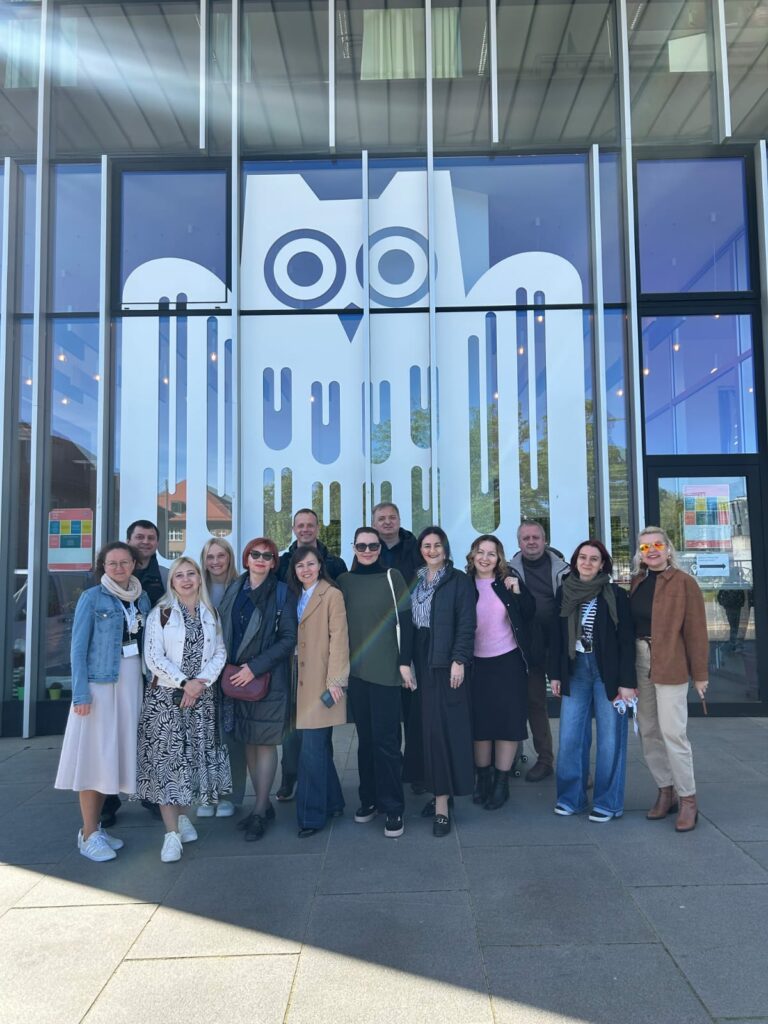
Saarland University is renowned for its strengths in international studies, computer science, artificial intelligence, bioorganic chemistry, engineering, digital technologies, linguistics, and intercultural communication. The university actively cooperates with international universities, research centres, and European organisations and participates in numerous international consortia, academic mobility programs, and research initiatives.

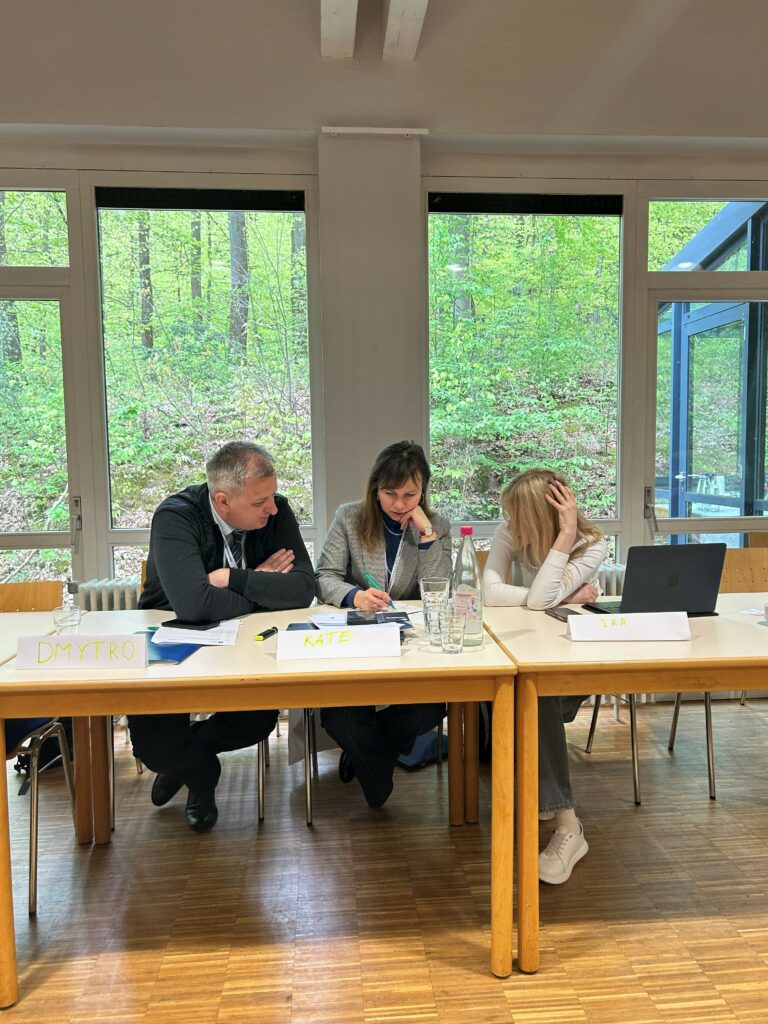
During the visit, participants had the opportunity to explore in detail Saarland University’s international activities, support systems for academic mobility, international services for students and staff, quality assurance approaches, organisation of international educational programs, and mechanisms for internationalising the university environment.

Special attention was also devoted to international academic cooperation, joint educational programs, international alliances, and European university networks. Participants became acquainted with best practices in strategic international development and the creation of modern intercultural academic environments.
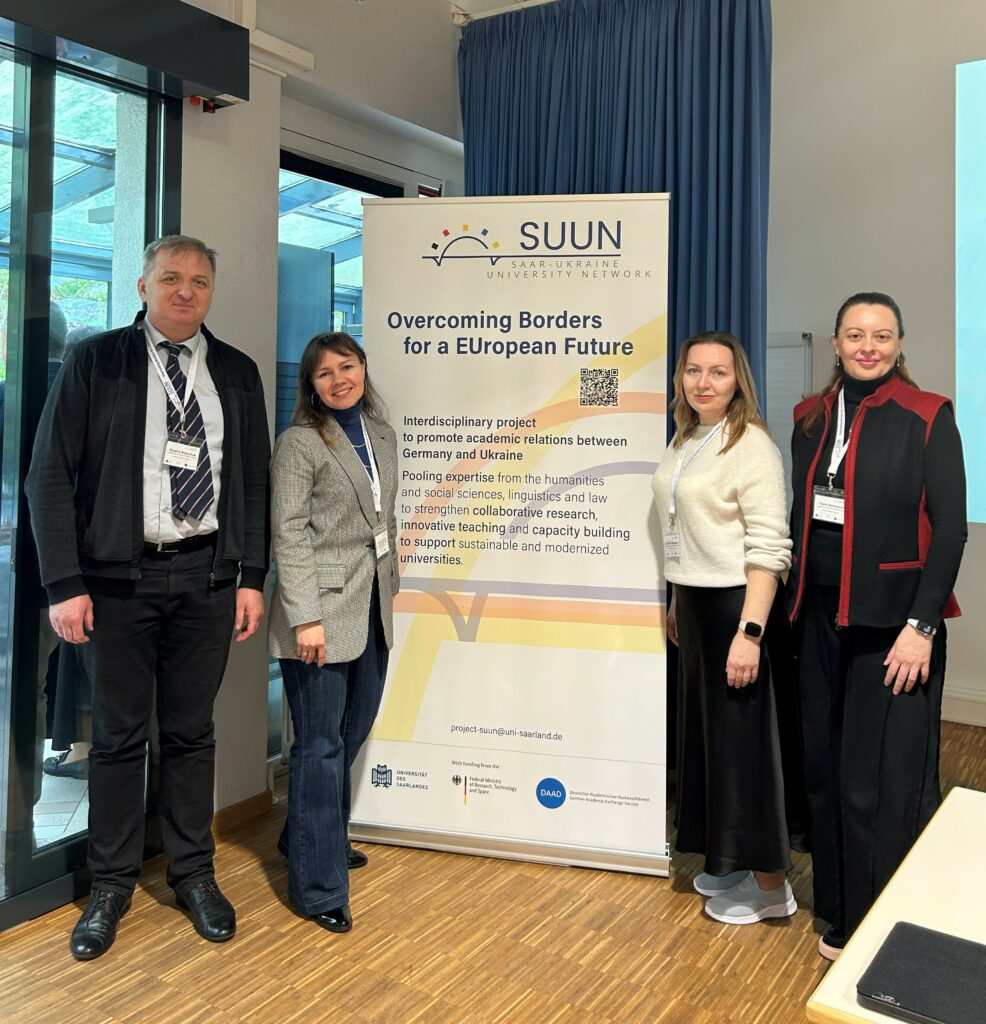
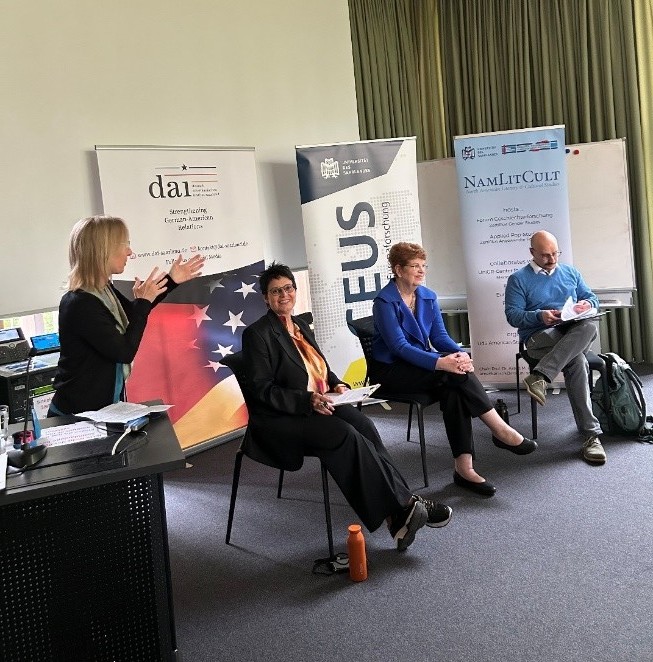
A particularly notable event was a roundtable discussion with Robin Quinville, former Chargé d’Affaires of the United States in Germany. Organised in cooperation with DAI Saarland and CEUS, the event provided a platform for open dialogue on contemporary challenges in international diplomacy, the role of universities in developing global leadership, academic diplomacy, and intercultural understanding. Participants discussed the importance of international cooperation in higher education, the development of intercultural competencies, and the strengthening of universities as centres of social change and international partnership.
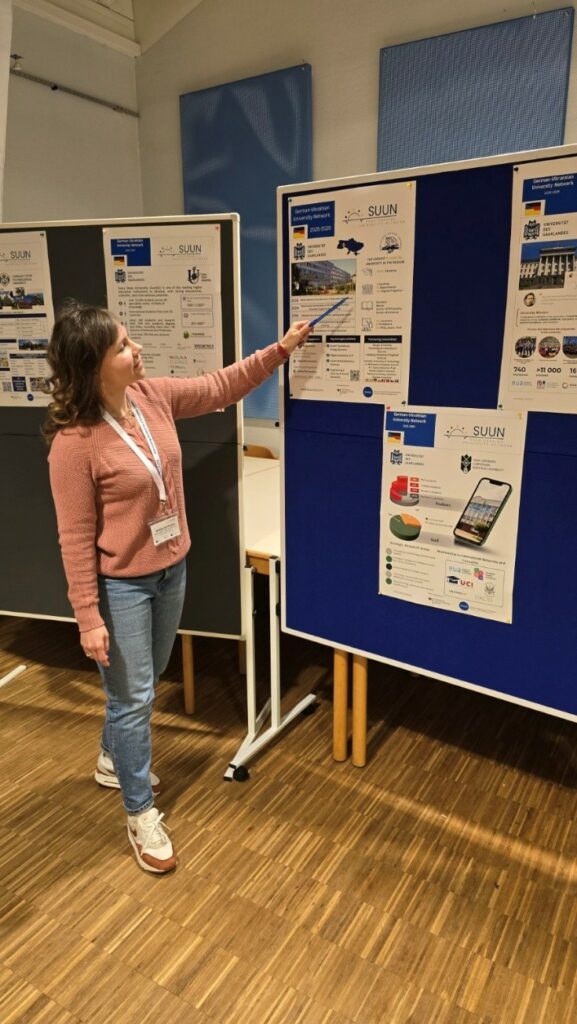
During the in-person module, Kateryna Skyba presented Khmelnytskyi National University, its international achievements, key development priorities, and current international projects.
International colleagues showed particular interest in KhNU’s active participation in Erasmus+, Horizon Europe, Digital Europe Programme, British Council, DAAD, and other international initiatives.
Among the projects presented to international partners were:
- Horizon Europe U_CAN «Ukraine towards Carbon Neutrality»;
- European Digital Innovation Hub CLOTEX-HUB;
- British Council 3R SheLeader «Resilience, Resourcefulness and Resultfulness»;
- Erasmus+ CBHE ReGrow;
- Erasmus+ STEP;
- Erasmus+ 3D4U;
- Erasmus+ INSPIRE;
- Erasmus+ EduFlex;
- and other international university projects.
The presentation of Khmelnytskyi National University attracted significant interest among international participants and experts due to the university’s active international engagement, high level of project activity, commitment to innovation, digital transformation, and strategic approach to internationalisation.
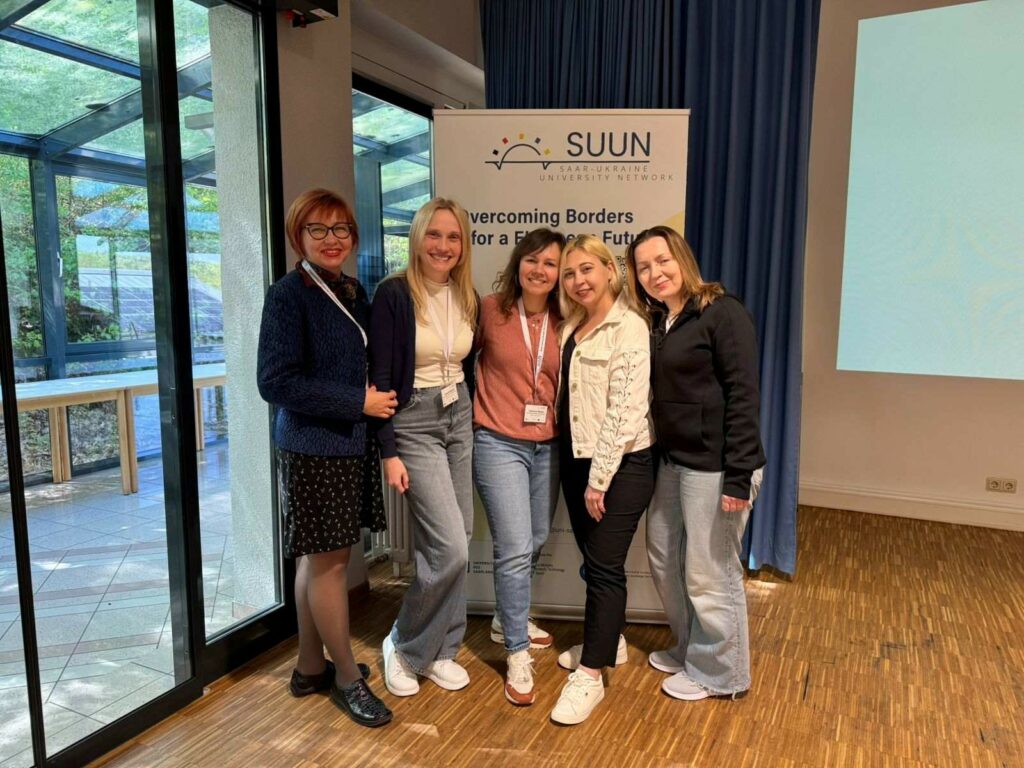
For Khmelnytskyi National University, participation in such international programs is extremely important, as it provides access to contemporary European experience, new international partnerships, best management practices, and opportunities for further institutional development.
The knowledge, insights, ideas, and strategic approaches gained during the training are already being incorporated into the draft of the new Internationalisation Strategy of Khmelnytskyi National University for 2026–2031.
The new strategy is aimed at:
- strengthening the university’s international competitiveness;
- expanding academic mobility opportunities;
- developing international educational and research partnerships;
- creating an intercultural academic environment;
- internationalizing educational programs;
- advancing international research activities;
- increasing the university’s global visibility;
- engaging international partners in innovation implementation.
Particular attention is being paid in the development of the strategy to the approaches presented during the SUUN Training Course 2026, including international academic leadership, modern models of internationalisation, the development of intercultural communication, the creation of an open academic environment, and the strategic management of international university activities.
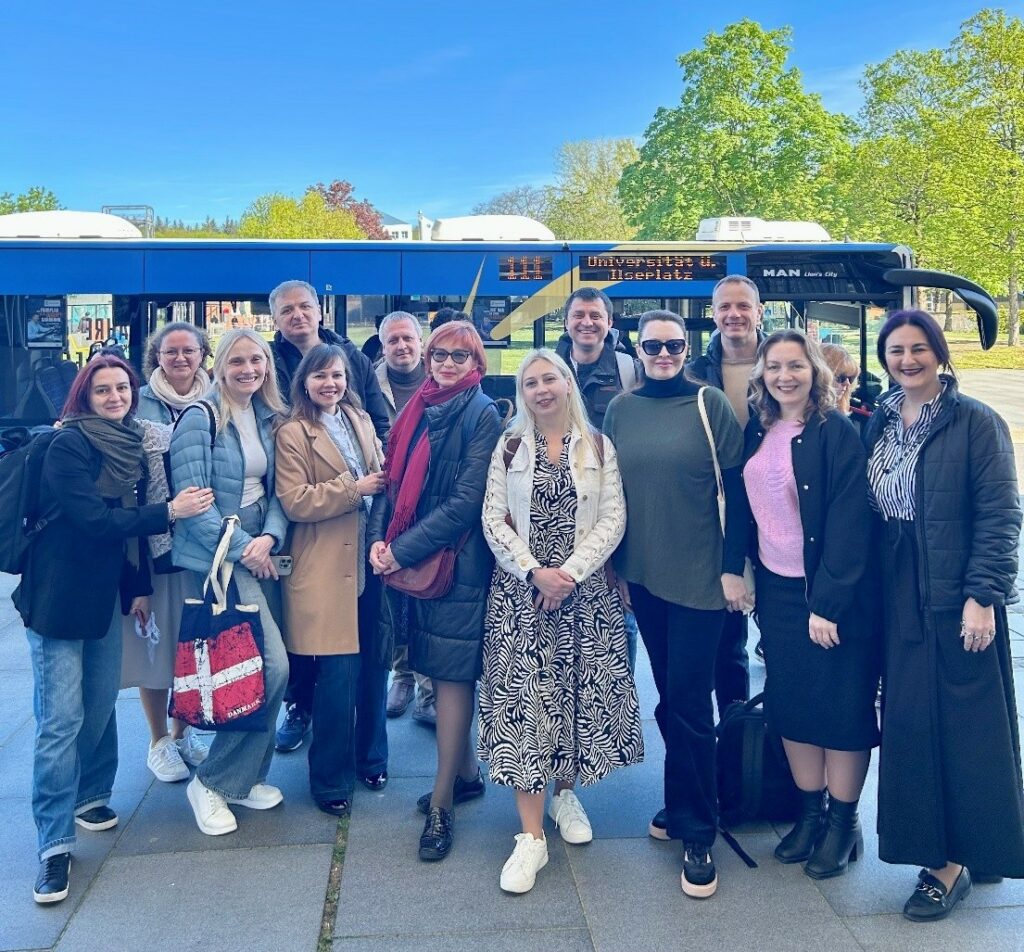
Participation in the program also served as an important platform for professional networking, exchange of experience, and the establishment of new international contacts. Communication with colleagues from Ukrainian universities, international experts, and representatives of Saarland University provided an opportunity to discuss current challenges facing Ukrainian higher education and identify new approaches to addressing them.
Especially valuable was the exchange of experience on the development of international cooperation in response to contemporary global challenges, support for academic mobility, formation of international project consortia, and the advancement of university diplomacy.
For Khmelnytskyi National University, participation in the SUUN Training Course 2026 represents not only an important professional achievement but also a confirmation of the high level of trust from international partners and recognition of the university’s active role in the modernisation and internationalisation of higher education in Ukraine.
Khmelnytskyi National University will continue to actively develop international cooperation, integrate the best European practices into its educational and research activities, strengthen its international presence, and create new opportunities for students, academic staff, and researchers within the global academic community.