On April 23–25, 2026, the 3rd International Scientific Conference of Students and Young Scientists “Problems and Innovations in the Development of Engineering, Technologies and Transport” was held at Khmelnytskyi National University. The event was organized by the Ministry of Education and Science of Ukraine, Khmelnytskyi National University, and Silesian University of Technology with the participation of numerous Ukrainian and international co-organizers.
The conference was a logical continuation of the previous initiative and confirmed the growing interest in youth science across engineering, technology, transport, architecture, digital design, and information-measuring systems. The conference format combined in-person participation at Khmelnytskyi National University with remote access via Zoom, ensuring openness to a wide range of participants and partners from different countries.
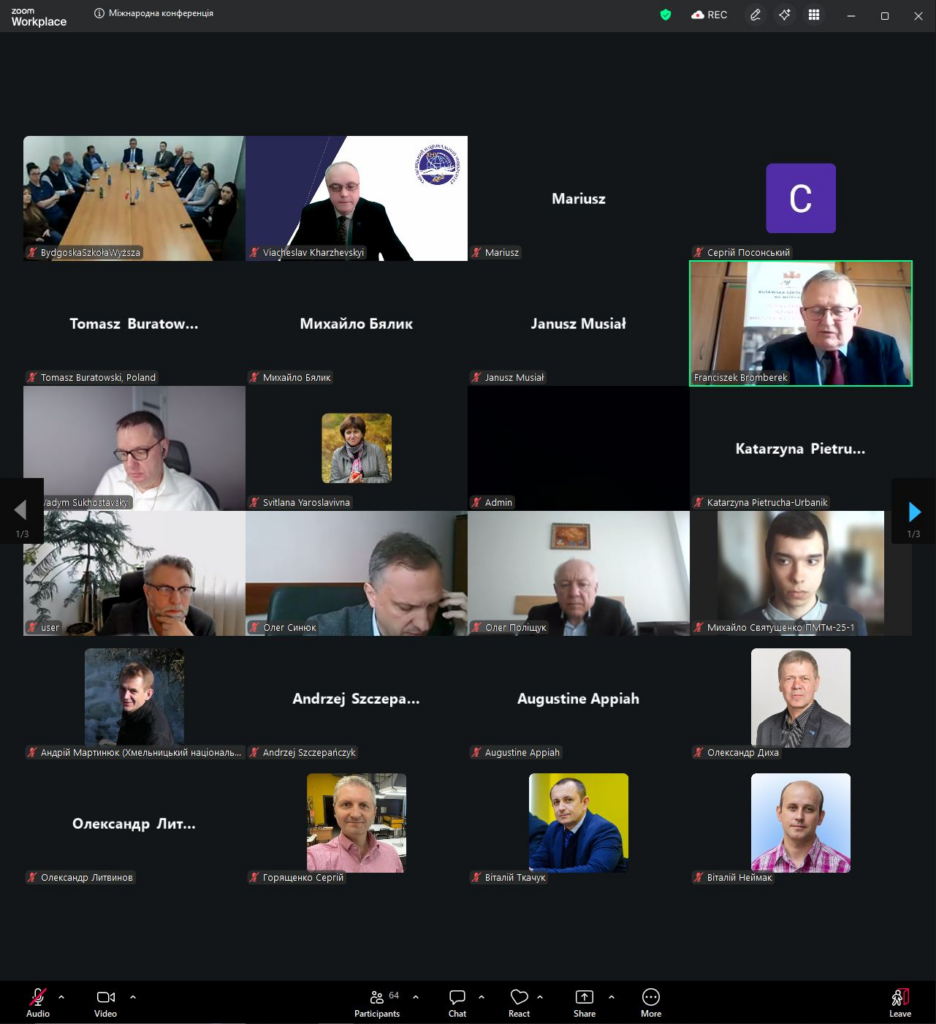
Scientific and educational institutions from Ukraine, Poland, Georgia, Lithuania, Romania, Slovakia, Türkiye, and Estonia joined the organization of the 3rd conference. Among the international co-organizers were: AGH University of Science and Technology (PL); Georgian Technical University, Tbilisi (GE); Kaunas University of Technology (LT); Kazimierz Wielki University, Bydgoszcz (PL); Kujawska Szkoła Wyższa (PL); Pamukkale University, Denizli (TR); Rzeszow University of Technology (PL); Tallinn University of Technology (EE); University of Bydgoszcz (PL); University of Petroșani, Petroșani (RO); University of Žilina (SK); Vytautas Magnus University (LT), and other universities and scientific institutions, emphasizing the distinctly international nature of the event.
Scientific coordination of the event was provided by an international team of scholars from several countries and partner universities. The general session of the conference was moderated by Professor Viacheslav Kharzhevskyi of the Department of Industrial Mechanical Engineering and Agroengineering.
On April 23, the official opening ceremony and plenary session took place, while the following days continued with thematic platforms. The official opening brought together the administration of Khmelnytskyi National University and representatives of partner institutions. Welcoming speeches were delivered by:
– Rector of Khmelnytskyi National University (Ukraine), Serhii Matiukh;
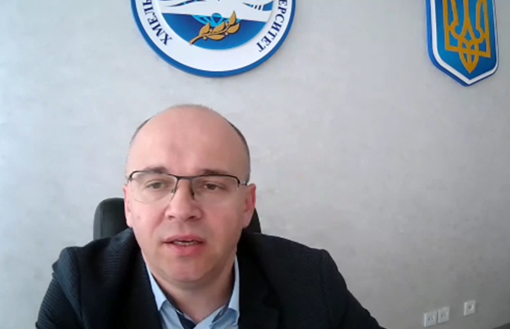
– Dean of the Faculty of Engineering, Transport and Architecture of Khmelnytskyi National University (Ukraine), Oleh Polishchuk;
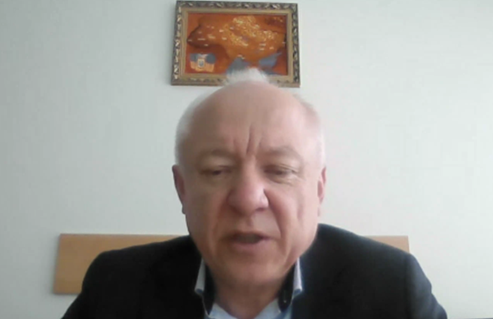
– Vice-Rector of Science of Khmelnytskyi National University (Ukraine), Oleh Syniuk;
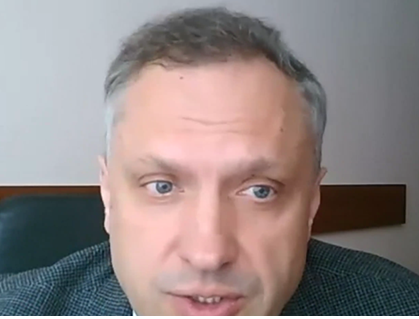
– Vice-Rector for Scientific and Pedagogical work of Khmelnytskyi National University (Ukraine), Kateryna Skyba;

as well as representatives of Polish universities, including:
– Dean of the Faculty of Mechanical Engineering of Silesian University of Technology (Poland), Professor Marcin Adamiak;
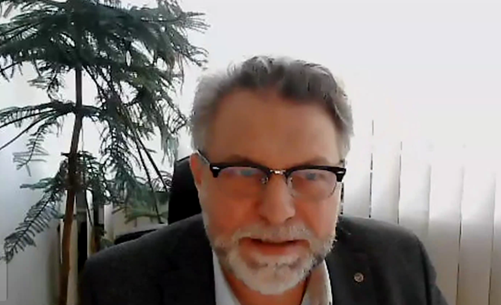
– Rector of Bydgoszcz Higher School (Poland), Professor Włodzimież Majewski;
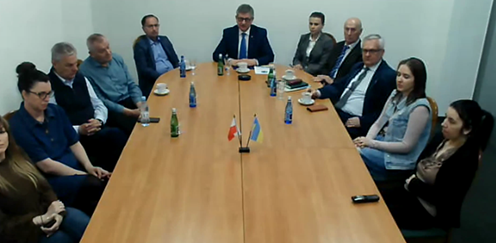
– Dean of the Faculty of Mechanical Engineering of Kujawska Szkoła Wyższa in Włocławek (Poland), Honorary Doctor of Sciences of Khmelnytskyi National University, Professor Franciszek Bromberek;
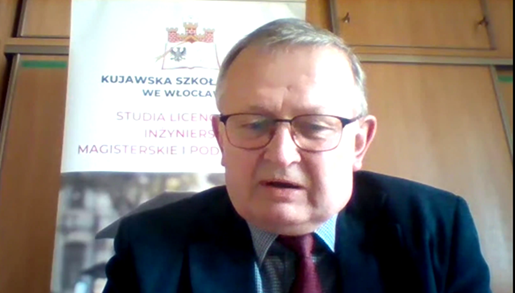
– Honorary Doctor of Sciences of Khmelnytskyi National University, Professor at Kazimierz Wielki University (Poland), Janusz Musiał;
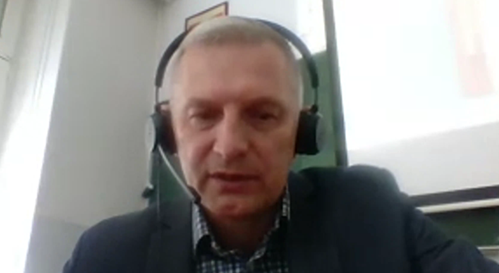
– Professor at Rzeszow University of Technology (Poland), Katarzyna Petrucha-Urbanik;
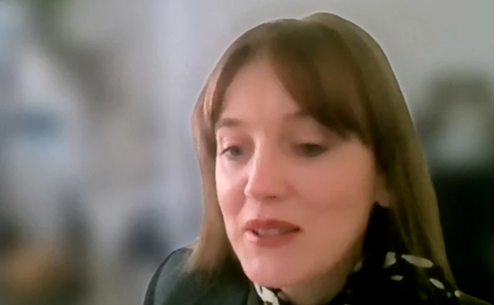
– Honorary Doctor of Sciences of Khmelnytskyi National University, Professor at AGH University of Science and Technology in Kraków (Poland), Mariusz Gergel;
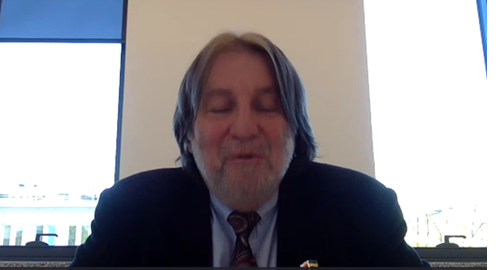
– Professor at AGH University of Science and Technology in Kraków (Poland), Tomasz Buratowski;
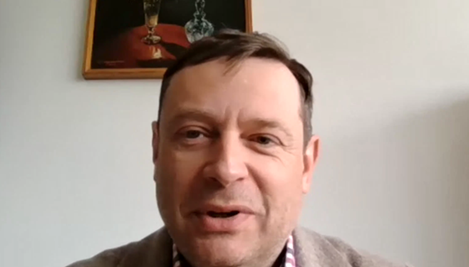
– Head of the Department of Industrial Mechanical Engineering and Agroengineering of Khmelnytskyi National University (Ukraine), Andrii Martyniuk.
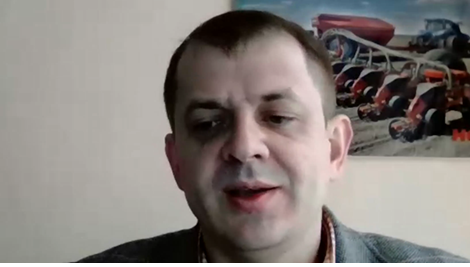
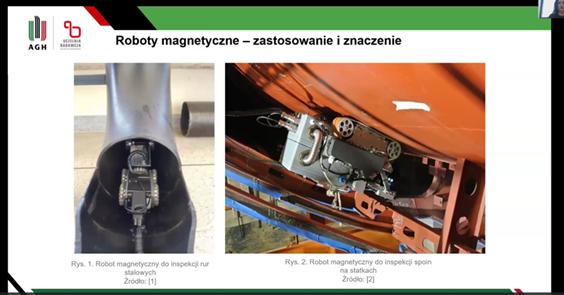
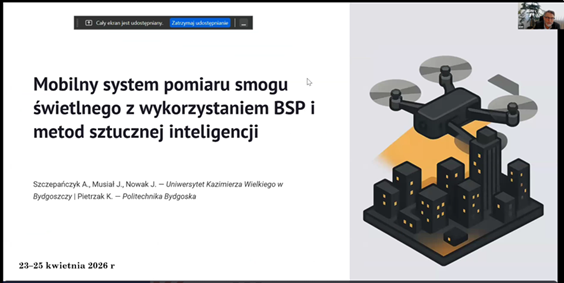
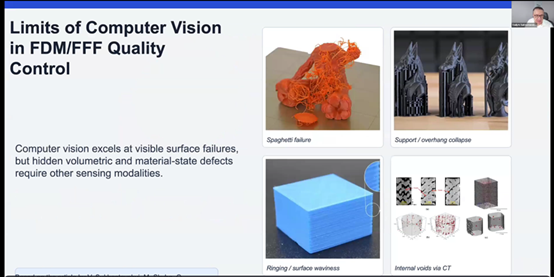
The plenary session reflected the interdisciplinary nature of the conference and the high quality of the presented research. Among the key presentations were reports devoted to combining strength and ductility in manufactured AlSi10Mg alloys, the influence of hydrogen environments on the rheological properties of materials, the concept of a mobile robot with a Mecanum-type drive and magnetic adhesion, intelligent smog measurement systems using UAVs and artificial intelligence, as well as the limitations of computer vision in quality control systems for FDM/FFF printing defects.
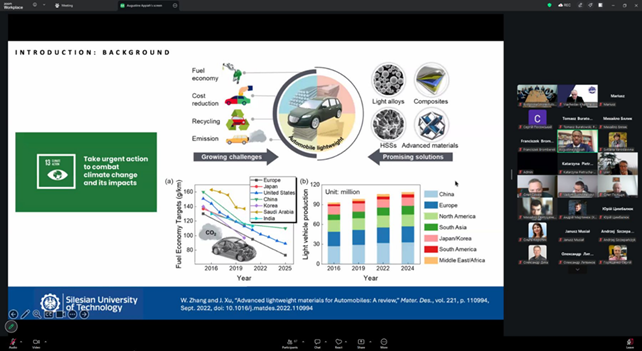
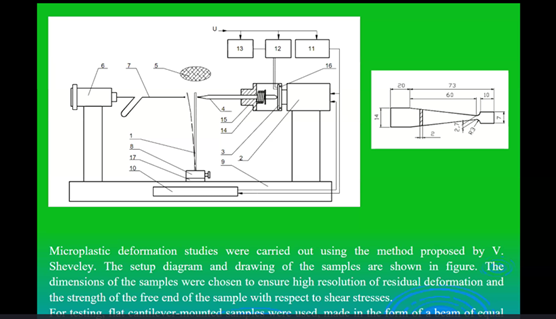
The further work of the conference proceeded within three thematic platforms, which enabled scientific discussions to be structured according to the leading directions of modern engineering research.
The first platform was devoted to innovative systems and technologies in engineering and management. The moderator of the session was Associate Professor of the Department of Construction and Civil Safety Yuliia Sokolan. The second platform focused on advanced technologies in engineering and transport and was moderated by Professor of the Department of Industrial Mechanical Engineering and Agroengineering Viacheslav Kharzhevskyi. The third platform was dedicated to modeling information systems in engineering and architecture and was moderated by Associate Professor of the Department of Architecture and Urban Planning Olha Deriabina.
Within the first platform, discussions covered energy- and resource-saving technologies, production automation, mechatronics, robotics, innovations in mechanical engineering, occupational safety, civil security, as well as economic and managerial aspects of engineering activity. The reports addressed low-emission public transport, energy efficiency of electric drives, solar energy utilization, microgeneration, environmental challenges, the application of artificial intelligence, and modern solutions for industrial and transport systems.
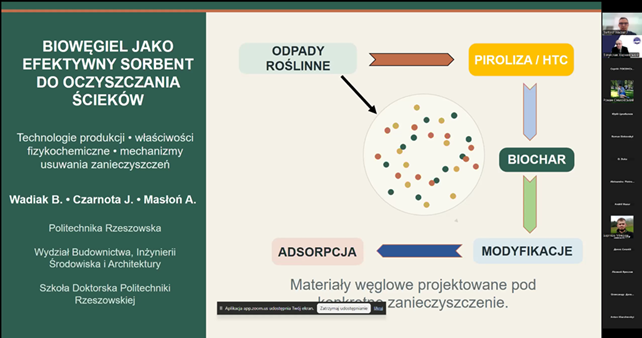
The second platform focused on advanced manufacturing technologies, agroengineering, industrial mechanical engineering, materials science, and tribological problems in engineering and transport. Presentations included high-precision visual navigation, microfiltration, automotive lubricants, diagnostics of vehicle components, FDM technologies, additive manufacturing, extruders for composite filament, recycling of 3D-printing waste, properties of amorphous alloys, biochar, and other modern engineering solutions.
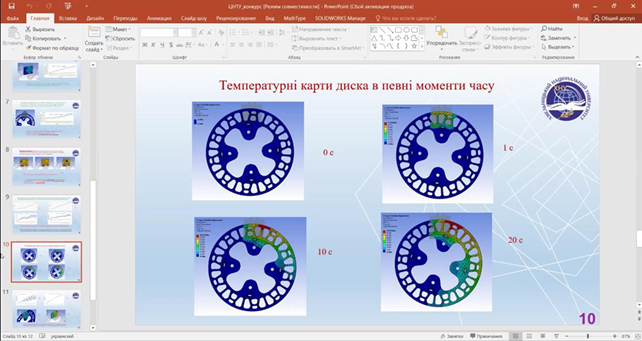
The third thematic platform covered architecture, urban planning, information-measuring equipment, automated design, and computer modeling. Participants presented research on geospatial analysis, control systems based on machine vision, computer diagnostics of automotive systems, 3D scanning, transport process modeling, CFD-based optimization, the use of LiDAR, laser scanning, MEMS accelerometers, and modern software environments such as SolidWorks Simulation and Moldex3D 2026.


As in the previous year, the conference became not only a platform for presenting research results, but also a space for professional communication, academic partnership, and the establishment of international contacts among students, postgraduate researchers, and young scientists. The continuity of thematic areas between the conferences demonstrates the consistent development of the event and the strengthening of its role as an open platform for presenting innovative solutions in technical sciences.
Particular attention was drawn to the combination of fundamental and applied research, traditional engineering disciplines, and next-generation digital technologies. The presented reports demonstrated the active use of artificial intelligence methods, computer vision, digital modeling, additive manufacturing, sensor systems, automation, and advanced materials, corresponding to current trends in the development of the European scientific and educational space.
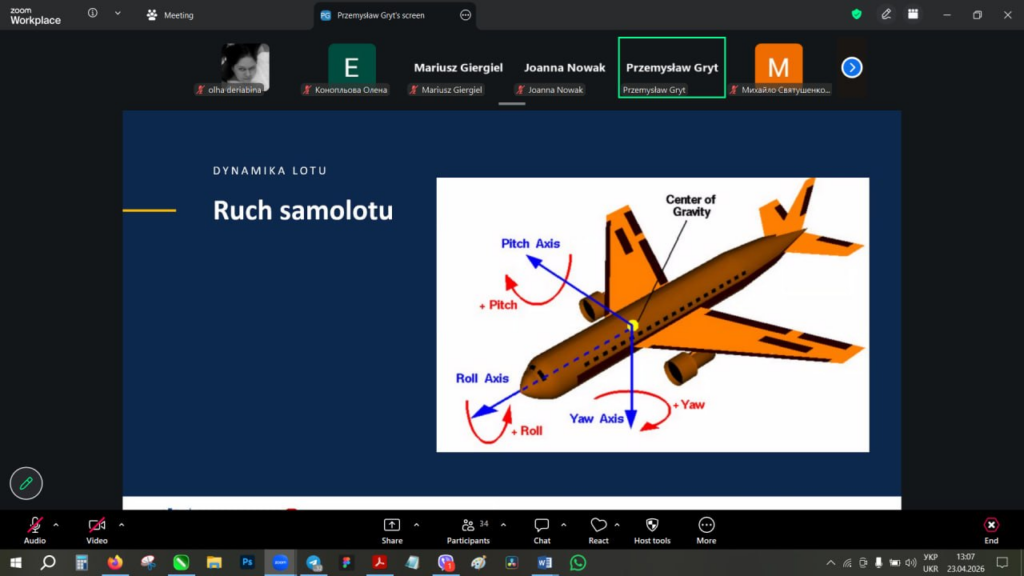
The holding of the 3rd International Scientific Conference of Students and Young Scientists “Problems and Innovations in the Development of Engineering, Technologies and Transport” confirmed the high organizational and scientific level of the event, as well as its important role in supporting young researchers. The conference contributed to the popularization of scientific research, the development of international university cooperation, and the integration of the youth academic community into the modern global scientific space. At the same time, the conference played a significant role in improving the educational process, as it promoted the integration of education and science, expanded the practical training of higher education students, and developed their skills in scientific communication, presentation of research results, and professional discussion. Students of the Faculty of Engineering, Transport and Architecture studying in various educational programs and at different levels of higher education — bachelor’s, master’s, and Doctor of Philosophy (PhD) levels — took an active part in the conference, demonstrating the continuity of scientific training and the involvement of students in research activities at different stages of professional development.
The conference materials are available on its official resource at: https://piitt.khmnu.edu.ua/materialy-konferencziyi/.