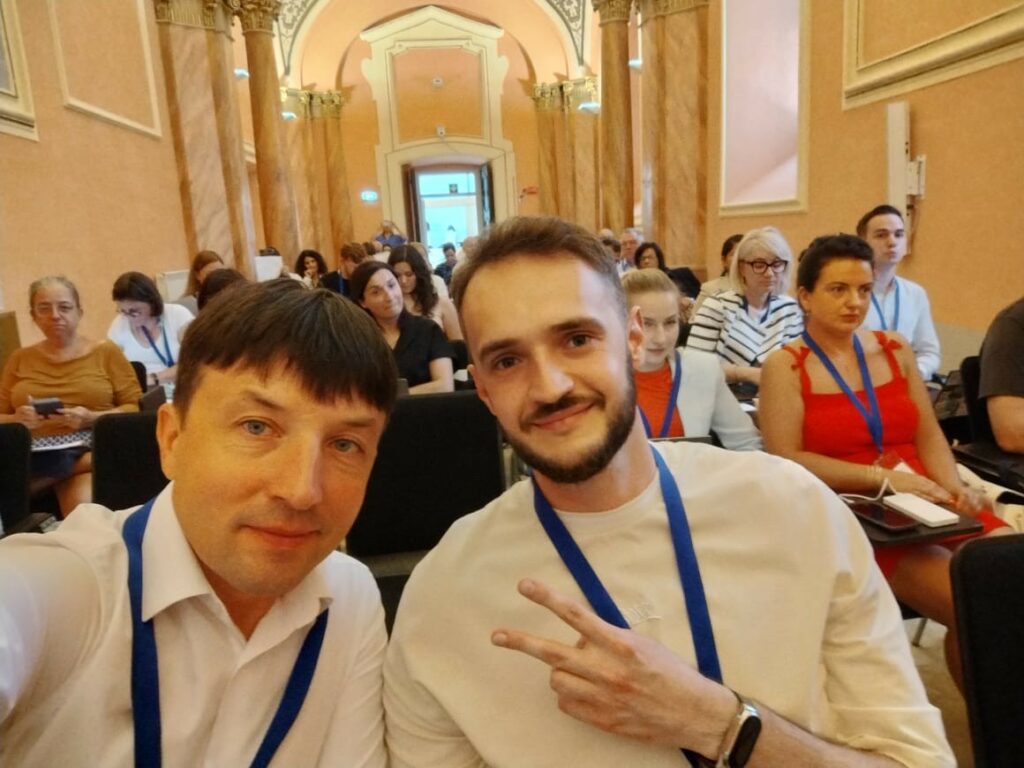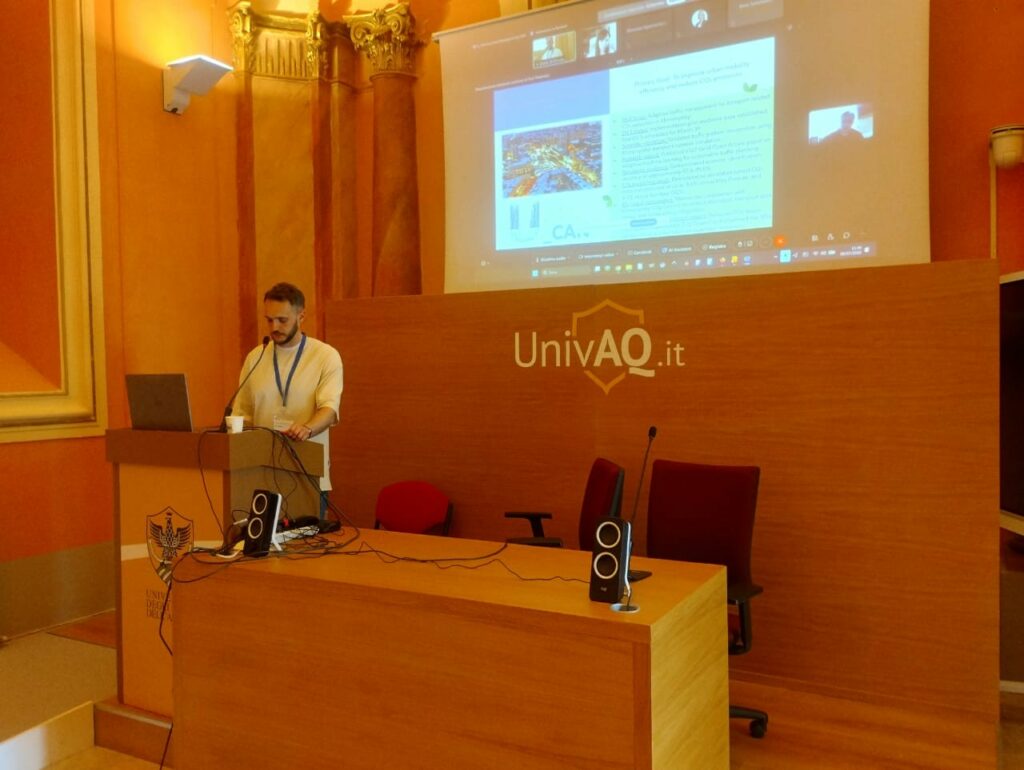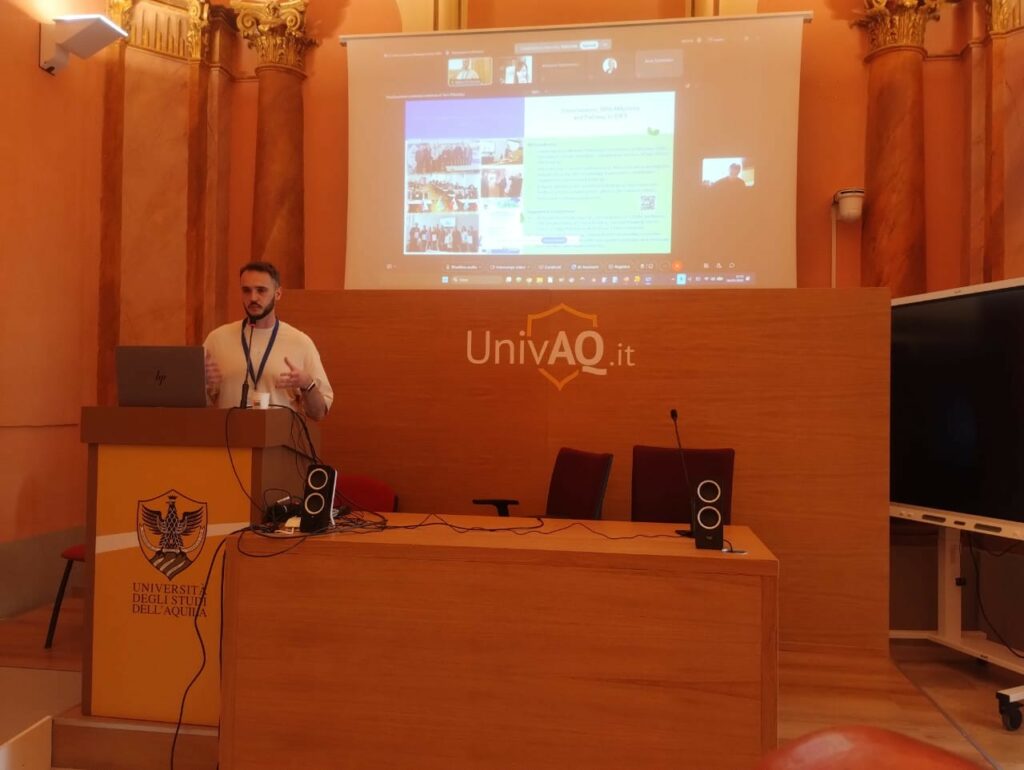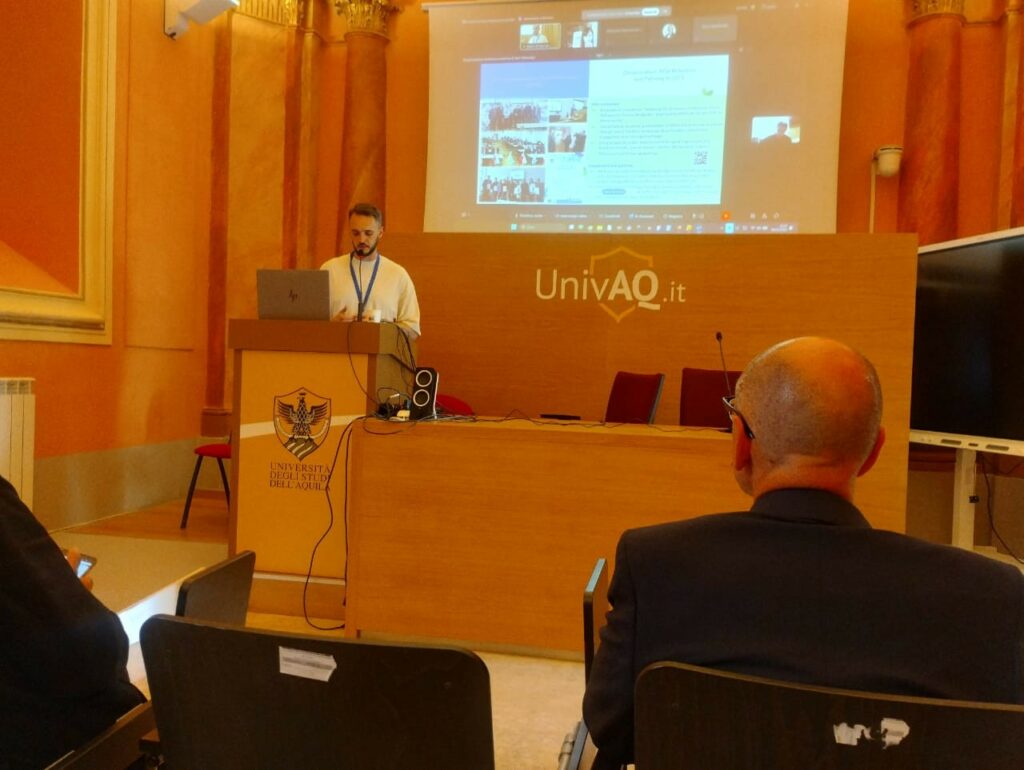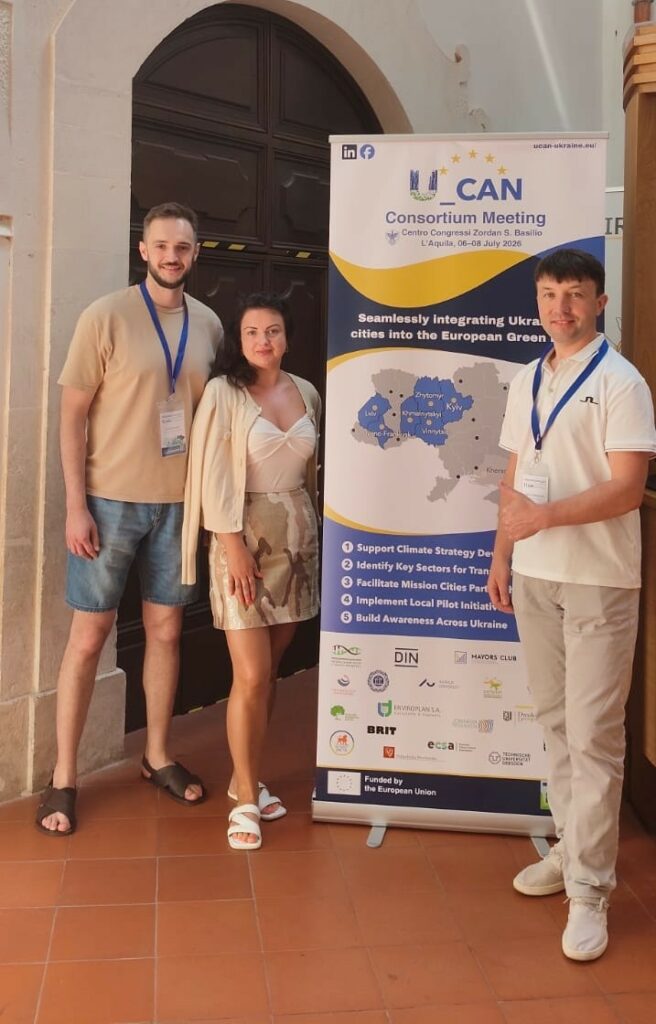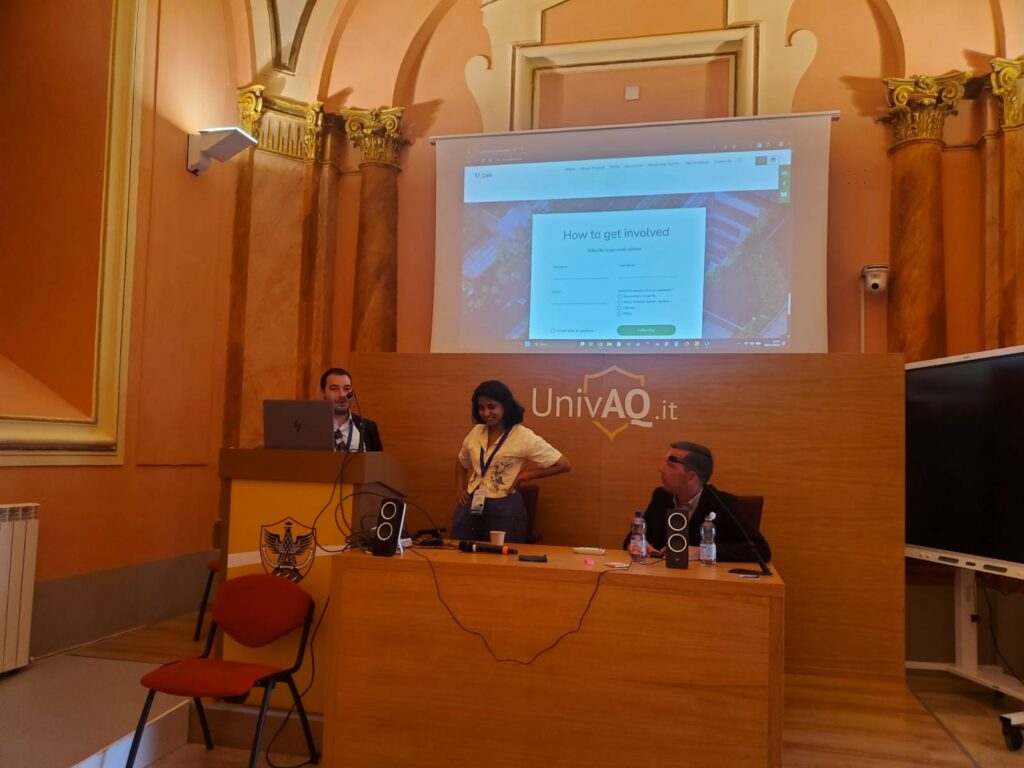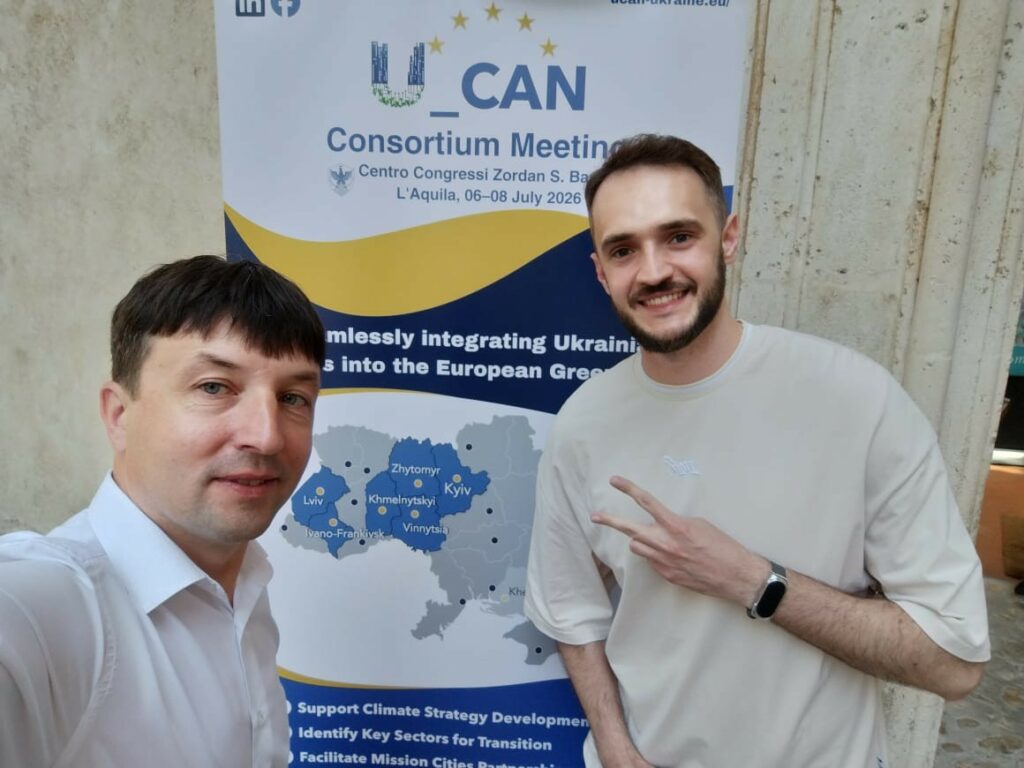
From 6 to 8 July 2026, Pavlo Radiuk, Associate Professor in the Department of Computer Science at Khmelnytskyi National University (KhNU), represented the University and the Khmelnytskyi pilot city at the official annual Consortium Meeting of the Horizon Europe project Ukraine towards Carbon Neutrality (U_CAN, Grant Agreement No. 101148374). Hosted by the University of L’Aquila, the working meeting took place at the Luigi Zordan Congress Centre in the Monastery of San Basilio, L’Aquila, Italy.
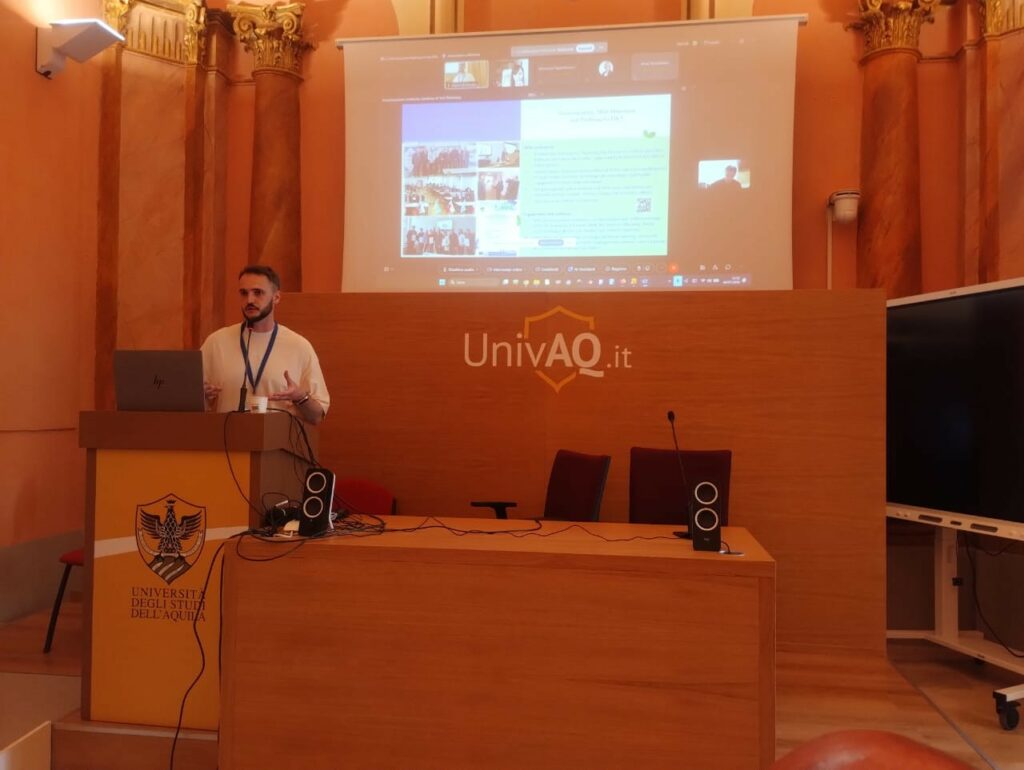
The three-day programme brought consortium partners together to review work-package progress, coordinate the next phase of the project and connect pilot-city activities. During the Work Package (WP) 4 status update, Pavlo Radiuk presented KhNU’s contribution to WP4, Task 4.5, and progress towards deliverable D4.5 - Implementation Plan Khmelnytskyi.
His presentation set out the evidence base developed by KhNU for adaptive traffic management as a route towards more sustainable urban mobility and the potential reduction of transport-related CO₂ emissions. It covered traffic-pattern recognition and topography-aware signal-control modelling, two Q2 Gold Open Access research outputs, cooperation with the Khmelnytskyi City Council, the PTV Visum capacity-building cycle, the MS6 conference delivered in April 2026, and the Year 3 plan. The next-phase priorities included data-access arrangements, the selection of candidate corridors or intersections, scenario review and calibration, risk assessment, and further preparation of D4.5. Any environmental effects discussed were explicitly presented as simulation evidence rather than outcomes of field deployment in the city.
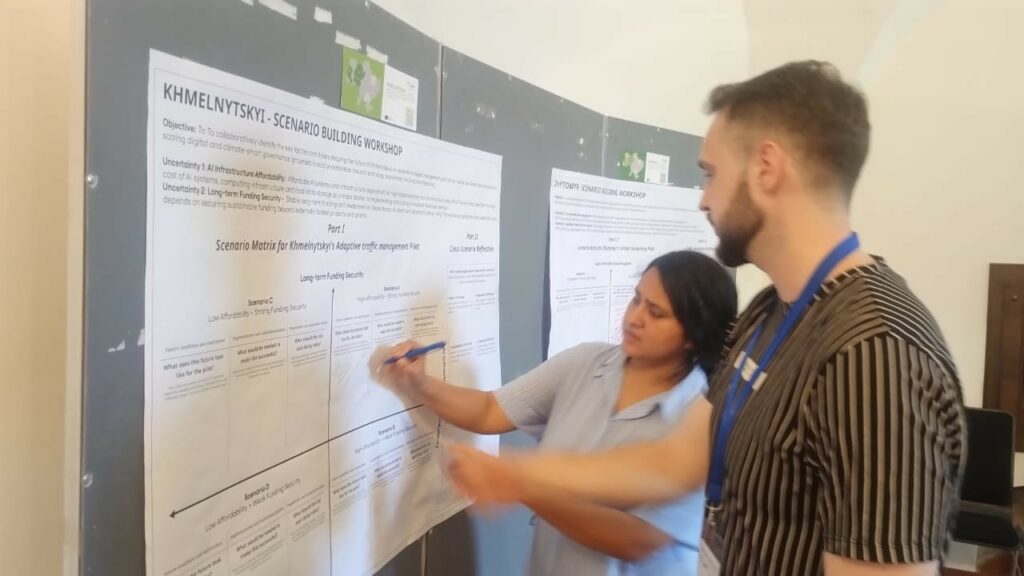
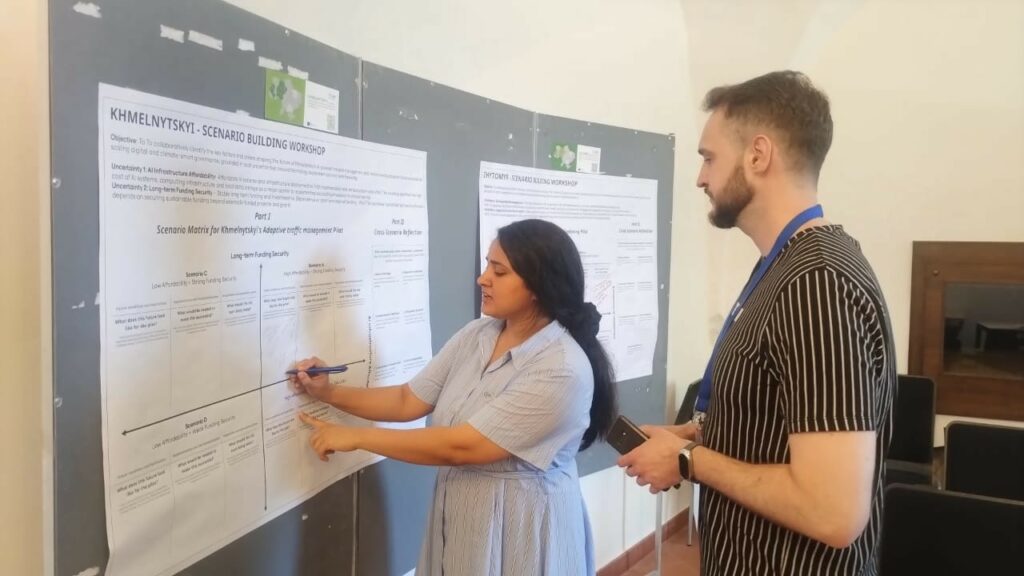
On 7 July, Pavlo Radiuk joined the co-creation lab and worked with partners on scenario building for the Khmelnytskyi adaptive traffic-management pilot. The rotating sessions examined connections, overlaps, and gaps among WP3, WP4, and WP5 outputs; mapped U_CAN partnerships; considered participatory budgeting and prioritisation; and addressed capacity building, the Climate Neutrality Guide, and standardisation. These exchanges placed KhNU’s technical work within the project’s wider pathway towards urban climate neutrality.
On 8 July, he participated in the recap of the co-creation findings and next steps, U_CAN Success Stories Mapping, and the communication and dissemination discussions covering the project website and partner engagement. The programme concluded with matchmaking for future proposals and closing coordination across the consortium.
The official post-mission report records that the assignment was completed in full: Pavlo Radiuk attended the annual meeting in person, presented project progress, discussed the status of the work packages, and contributed to the co-creation lab, capacity-building activities, and dissemination sessions. The mission’s results will support the continued implementation of U_CAN activities at KhNU.
For KhNU, the meeting provided a practical forum for aligning scientific evidence, municipal cooperation and dissemination with a realistic pathway towards D4.5 and climate-neutral urban mobility in Khmelnytskyi. It also supported direct working coordination with U_CAN partners on the next stage of the pilot.Project resources: Khmelnytskyi pilot on the U_CAN website | U_CAN on Facebook