From 17 to 19 December 2024, Professor Tomasz Buratowski from the AGH University of Science and Technology in Kraków (Poland) paid an official visit to Khmelnytskyi National University. The purpose of the visit was to expand opportunities for cooperation in education, science, and technology, as well as to strengthen ties between higher education institutions of the two countries.
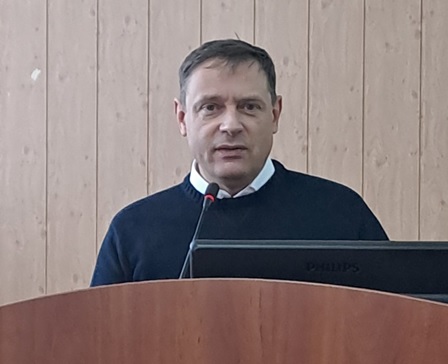
The first event of the program (18 December 2024) was a meeting between Professor Tomasz Buratowski and the Rector of Khmelnytskyi National University, Serhii Matiukh. During the constructive discussion, the parties considered potential areas of cooperation between the universities.
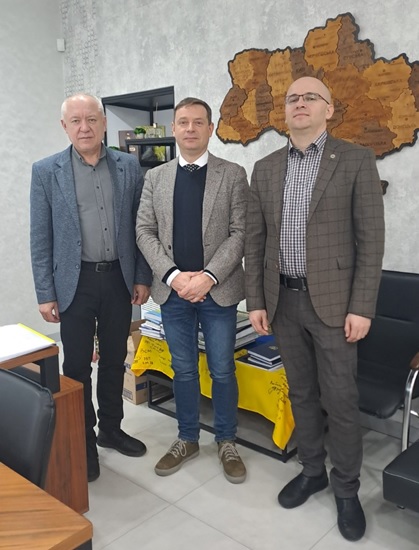
The importance of developing international partnerships for both universities was also emphasised, as such cooperation facilitates the integration of students and academic staff into the global educational and scientific community.
The next important stage of the visit (19 December 2024) was a meeting with representatives of the Faculty of Engineering, Transport, and Architecture. The meeting was attended by: Dean of the Faculty Oleh Polishchuk; Vice Deans Serhii Posonskyi and Nadiia Hrypynska; Heads of the Departments of Machines and Apparatuses, Electromechanical and Energy Systems (Vitalii Neimak); Tribology, Automobiles and Materials Science (Oleksandr Dykha); Manufacturing Engineering Technology (Vitalii Tkachuk); and Industrial Mechanical Engineering and Agroengineering (Andrii Martyniuk).
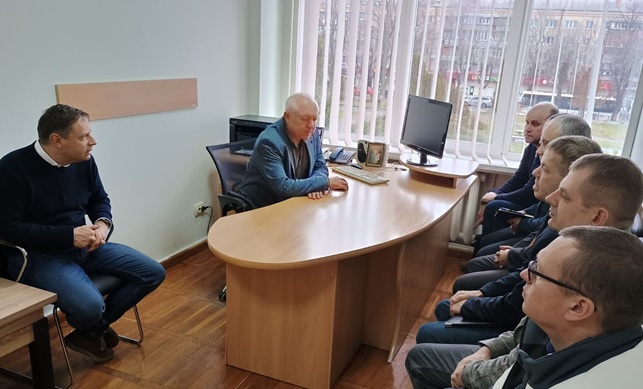
Professor Tomasz Buratowski delivered a detailed presentation on the activities of the Faculty of Mechanical Engineering and Robotics, as well as the Department of Robotics and Mechatronics at AGH University of Science and Technology, where he is affiliated. Oleh Polishchuk, in turn, presented information about the Faculty of Engineering, Transport, and Architecture, its academic programs, and the main research areas of faculty members and students.
Further discussions covered a wide range of topics, including: existing educational programs and their adaptation to modern challenges; the development and implementation of new programs; opportunities for students to participate in international research projects, in particular Erasmus+; organization of internships and traineeships for students and academic staff; the use of advanced technologies and equipment in the educational process; and the implementation of joint research projects.
Following the meetings, Professor Buratowski delivered a lecture entitled “Adaptive and Intelligent Size-Adaptive Mannequin Robot” for students of the Faculty of Engineering, Transport, and Architecture enrolled in the following educational programs: Manufacturing Engineering Technologies (Specialty 131 “Applied Mechanics”); Restoration and Technical Service of Vehicles (Specialty 132 “Materials Science”); Automobile Transport (Specialty 274 “Automobile Transport”); Agro-Processing and Engineering; Robotic and Mechatronic Systems of the Industry (Specialty 133 “Industrial Mechanical Engineering”); Agroengineering (Specialty 208 “Agroengineering”); Electric Power Engineering, Electrical Engineering and Electromechanics, Household Electrical Appliances (Specialty 141 “Electric Power Engineering, Electrical Engineering and Electromechanics”); Architecture and Urban Planning (Specialty 191 “Architecture and Urban Planning”); Industrial Mechanical Engineering (Specialty 133); and Applied Mechanics (Specialty 131), at the bachelor’s, master’s, and PhD levels.
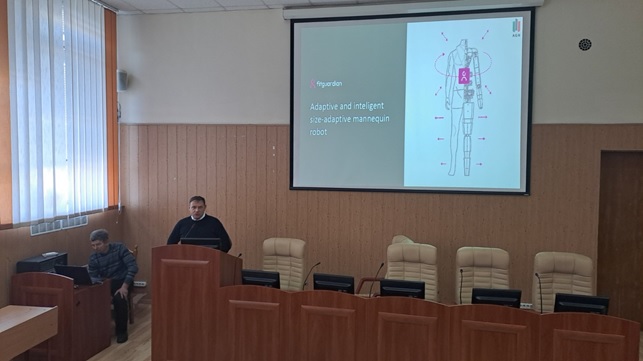
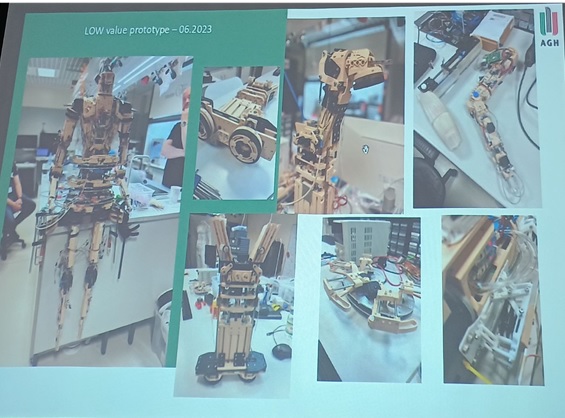
The lecture focused on the development of a mannequin robot capable of adapting to different garment sizes. The professor explained in detail how, starting from the technical specification, design drawings were created, and an experimental prototype of the robot was manufactured.
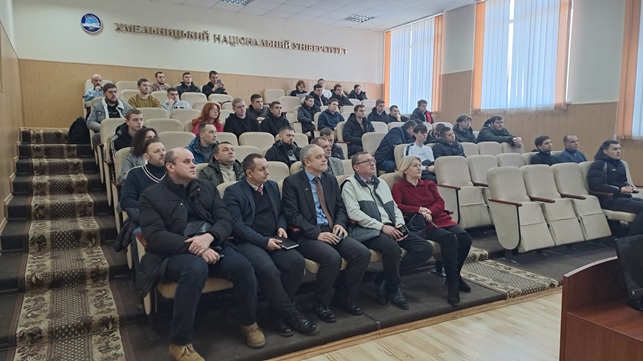
The system of this device is based on intelligent algorithms that allow the mannequin’s dimensions to be automatically adjusted according to predefined parameters. This opens up wide possibilities for its application, particularly in the fashion industry, where testing clothing on different body types is a crucial aspect.
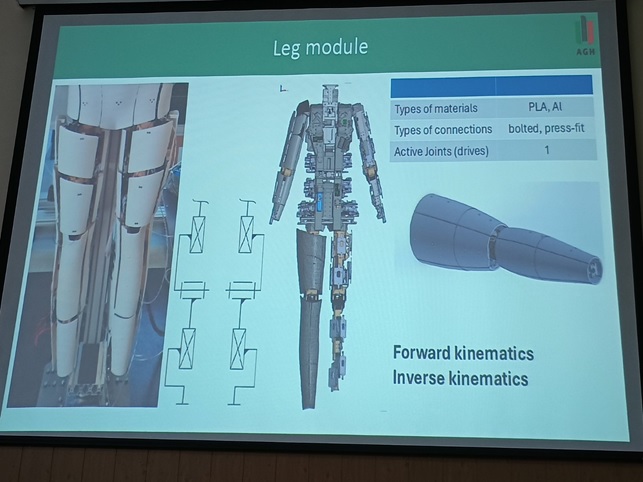
During the lecture, Professor Buratowski presented examples of the use of such robots as well as the results of experiments with the prototype. Students learned about the key stages of development—from the conceptual idea to testing the finished model.
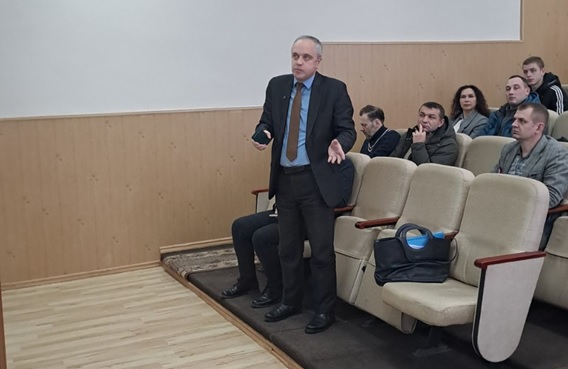
The lecture sparked strong interest, and after its conclusion, students, PhD candidates, and faculty members actively asked questions, discussing the technical features of the mannequin’s operation and possibilities for its further improvement. Technical aspects of the device and opportunities to involve young specialists in joint research projects in similar developments were also discussed.
The lecture was of particular interest to PhD students enrolled in the educational programs 131, “Applied Mechanics,” and 133, “Industrial Mechanical Engineering.” They noted the promising nature of the proposed ideas for their own research and expressed a desire to use the presented technologies in the development of new technical solutions.
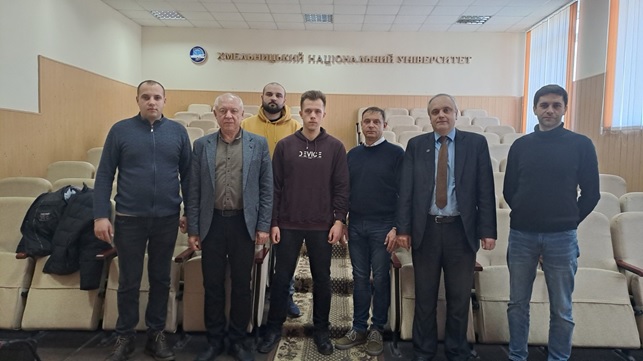
One of the key highlights of the visit was a tour of the laboratories of the Faculty of Engineering, Transport, and Architecture. Professor Buratowski became acquainted with the material and technical facilities of:
- Department of Machines and Devices, Electromechanical and Energy Systems
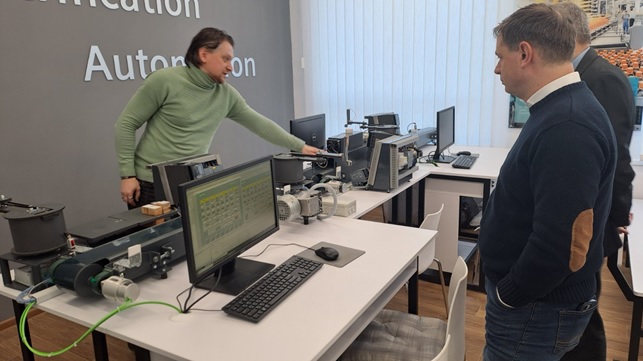
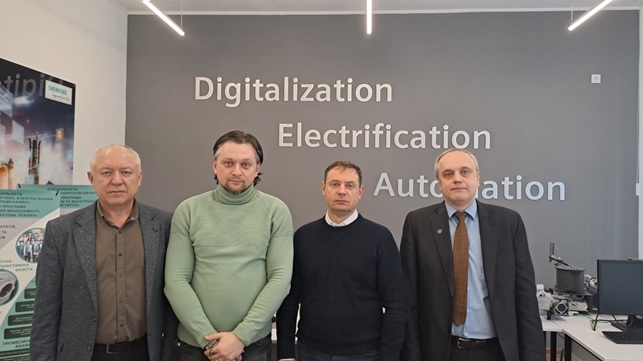
- the Department of Industrial Mechanical Engineering and Agroengineering;
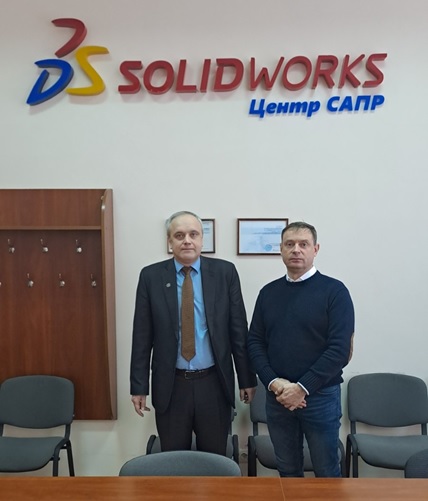
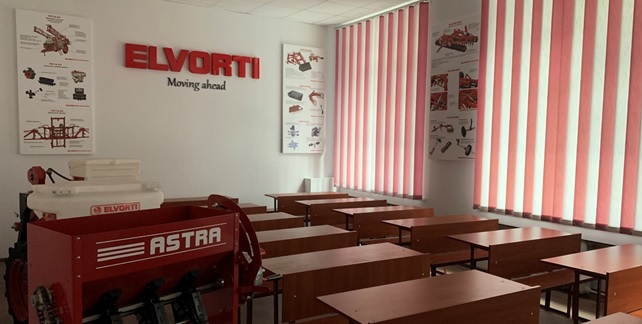
- Department of Mechanical Engineering Technology
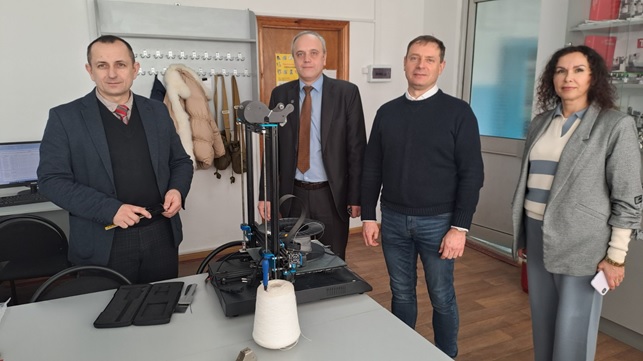
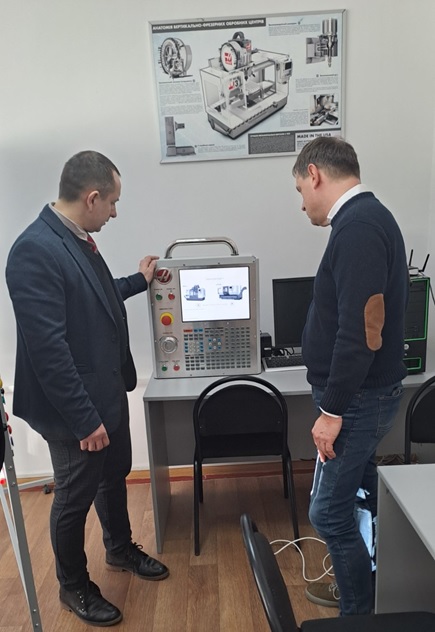
- the Department of Tribology, Automobiles and Materials Science.
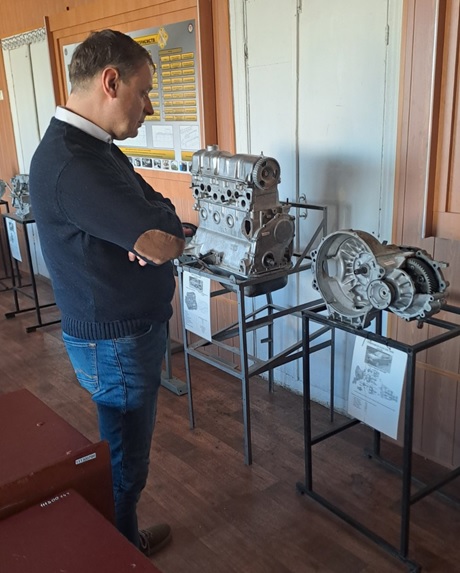
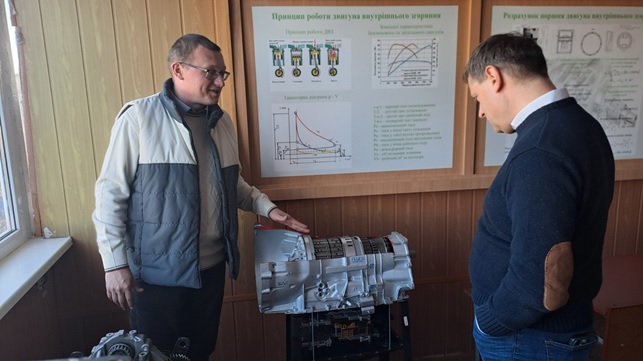
Particular interest was drawn to the modern equipment used for student training and scientific research. Professor Buratowski highly appreciated the level of technical infrastructure of the faculty and the university, which creates broad opportunities for training highly qualified specialists.
The visit of Professor Tomasz Buratowski marked a significant step in the development of international cooperation between Khmelnytskyi National University and the AGH University of Science and Technology in Kraków. The initiatives discussed open new horizons for joint work in education, science, and technology. Strengthening ties between the faculties of the two universities will contribute to improving the quality of education, engaging students and academic staff in international projects, and developing innovative approaches in the educational process.
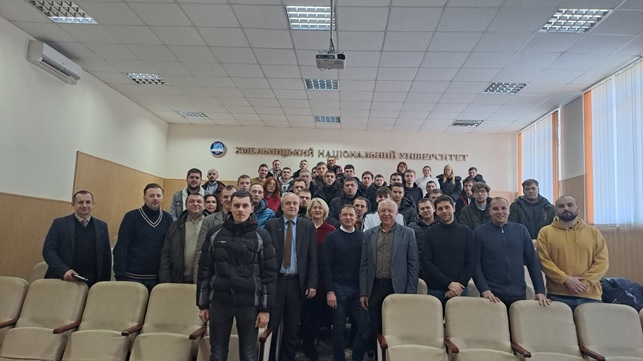
This meeting confirmed the commitment of both parties to further cooperation, which will have a positive impact on the educational and scientific development of both universities.