
This year’s GLITSS ANNUAL CONFERENCE took place at the University of Milano-Bicocca (Italy) and was dedicated to a deep analysis of the causes of illicit trade and its impact on global security, sustainable development, and effective governance. Professor Ilona Dumanska of Khmelnytskyi National University (KhNU), a renowned researcher in international trade and security policy, actively participated in the event.
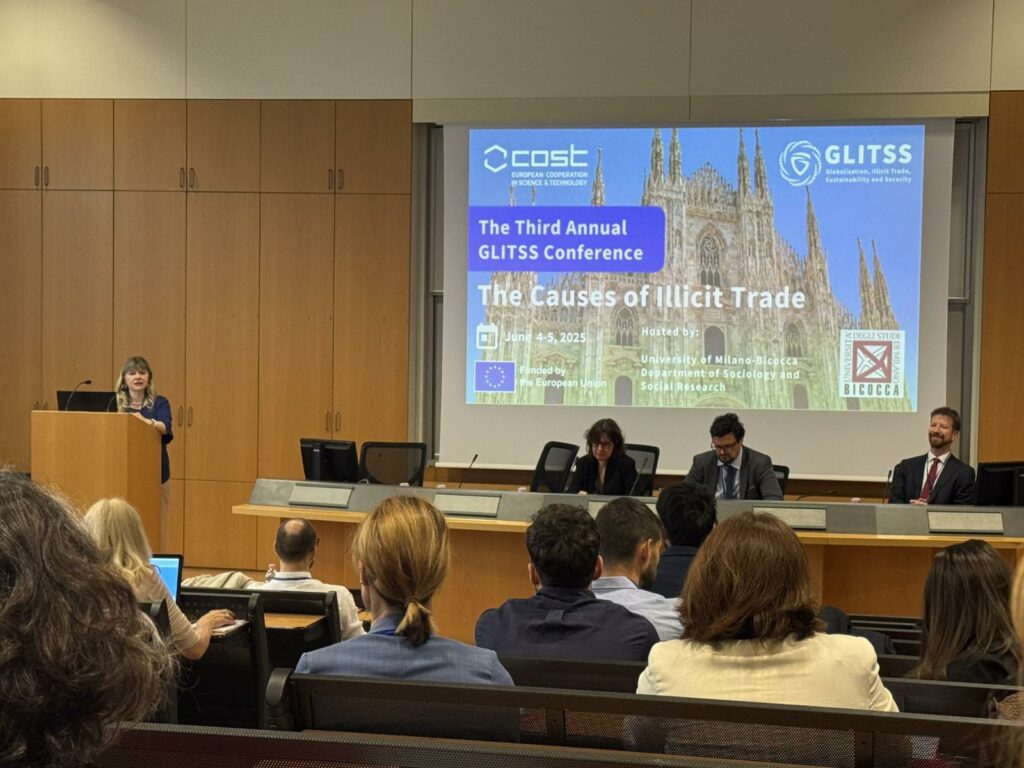

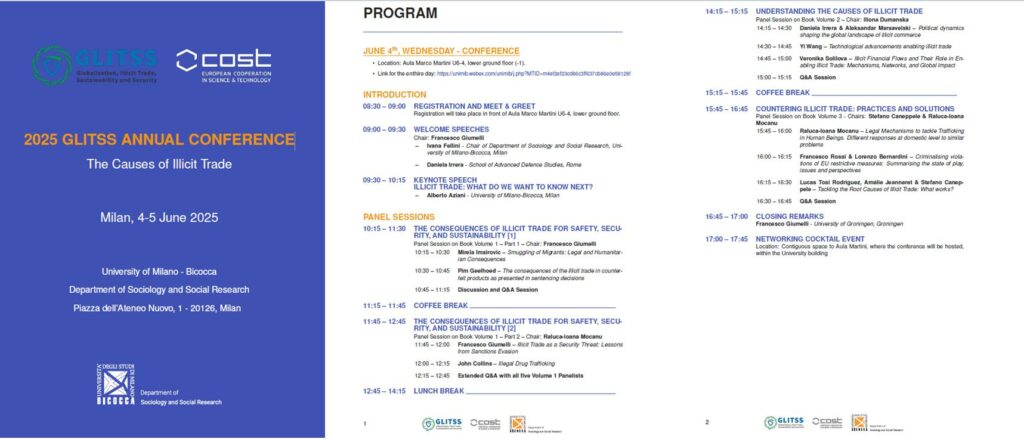
During the conference, Prof. Dumanska chaired a session focused on preparing the collective academic publication, "Understanding the Causes of Illicit Trade." Under her moderation, discussions covered the key concepts, structural approaches, and interdisciplinary perspectives that will form the foundation of the future publication. The professor also joined the collective of authors for the publication, which will unite leading scholars from various countries.
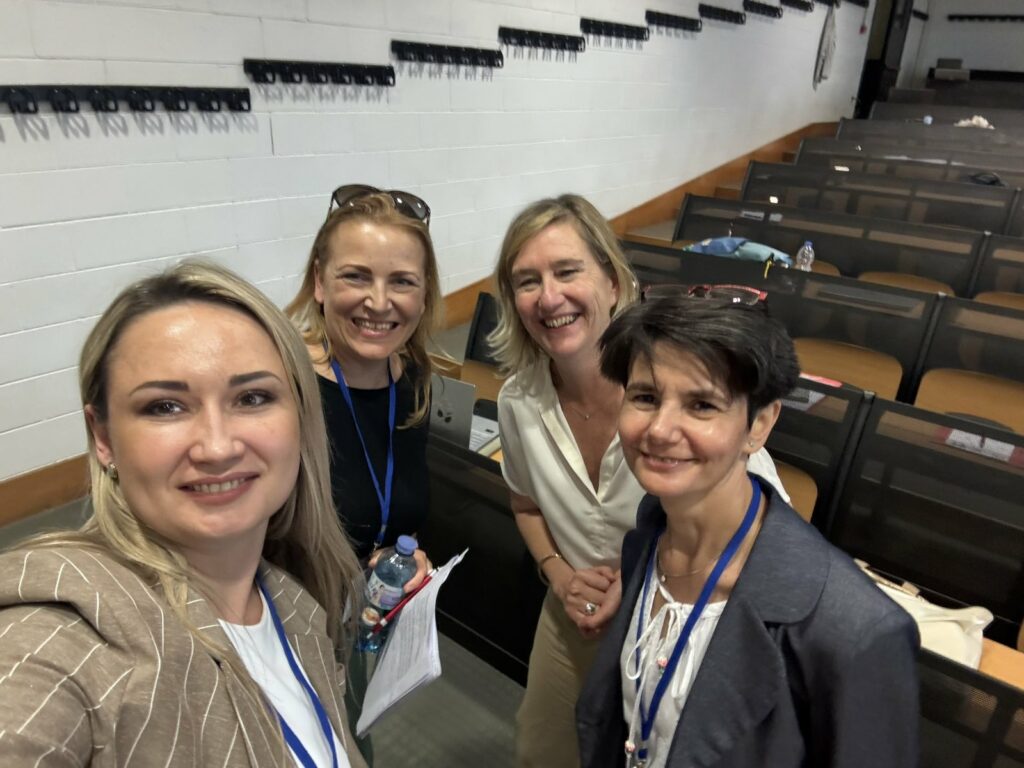
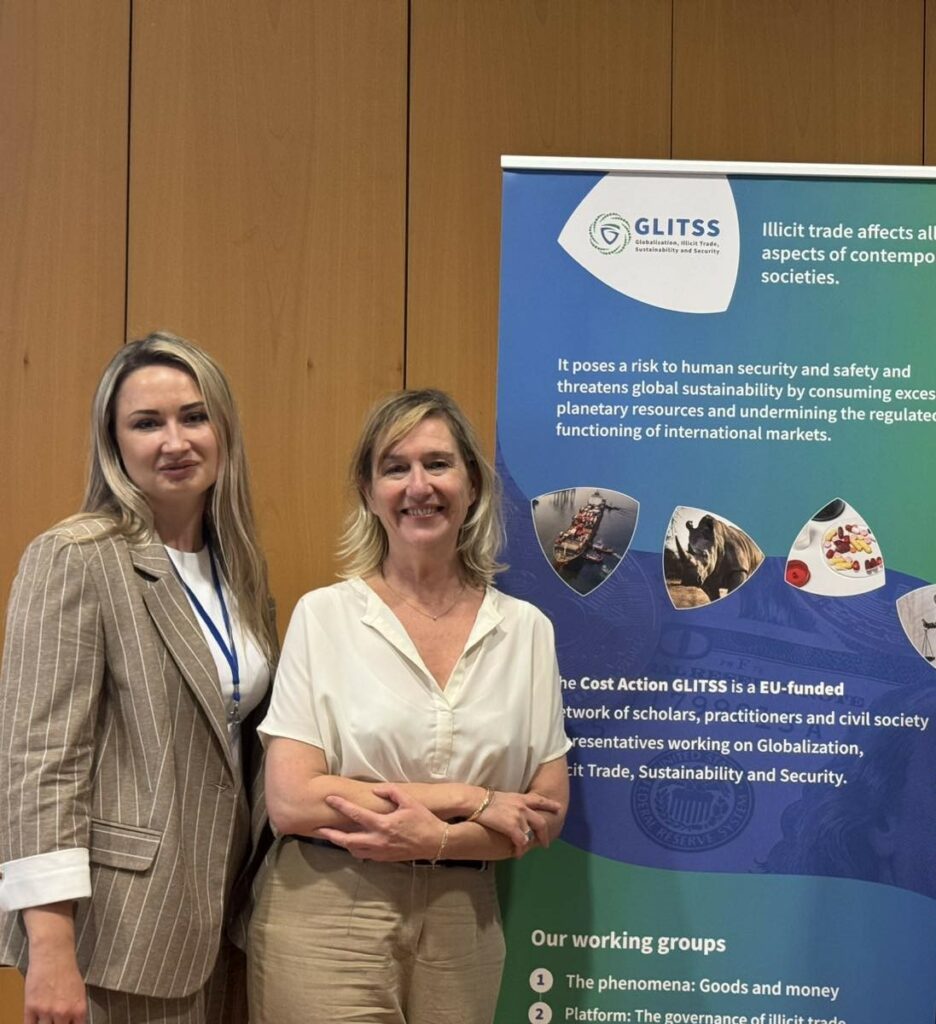
With colleagues from the Czech Republic, Romania and the COST Officer of the GLITSS project
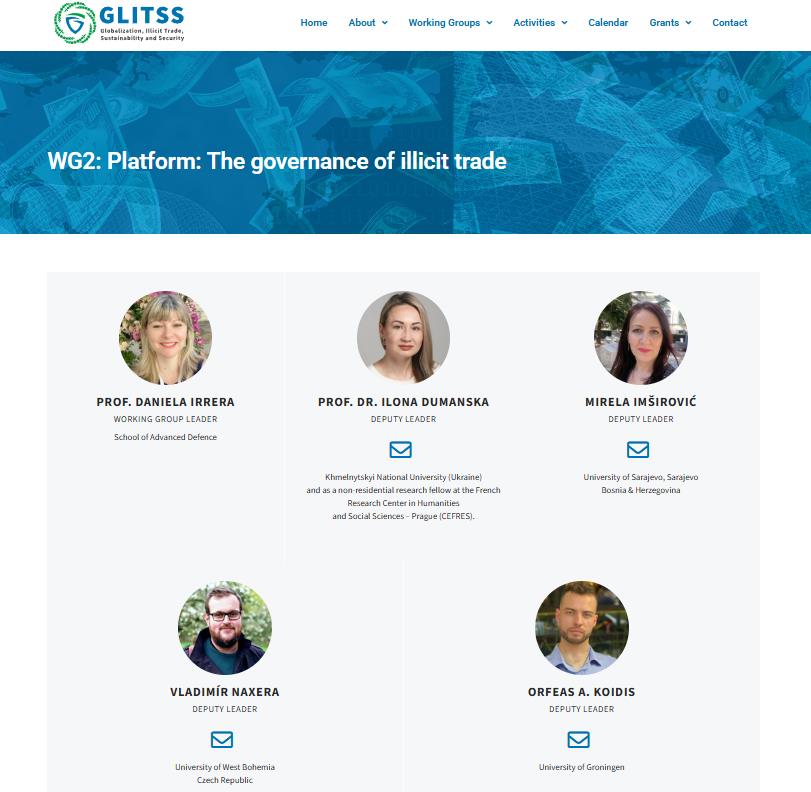
On the second day of the conference, during the working group meetings, Prof. Ilona Dumanska was elected Deputy Leader of Working Group 2 (WG2). This initiative came from the group's leader, Professor Daniela Irrëra, from the School of Advanced Defence (Rome, Italy) - https://www.glitss.eu/working-group-2/. This recognition is a result of her significant achievements within the GLITSS project and her active participation in interdisciplinary research.
The cultural program was just as engaging as the working sessions—a sightseeing tour of the city and a climb to the Duomo di Milano created a memorable flavour of intercultural interaction and lasting impressions of the academic event.


The GLITSS conference, organised by the Department of Sociology and Social Research at the University of Milano-Bicocca, gathered international experts, policymakers, and academics to discuss the legal, social, and economic aspects of illicit trade. Participants explored its link with migration, counterfeiting, institutional trust, and global risks. The panel discussions fostered the development of new, evidence-based approaches to policy solutions and academic research.