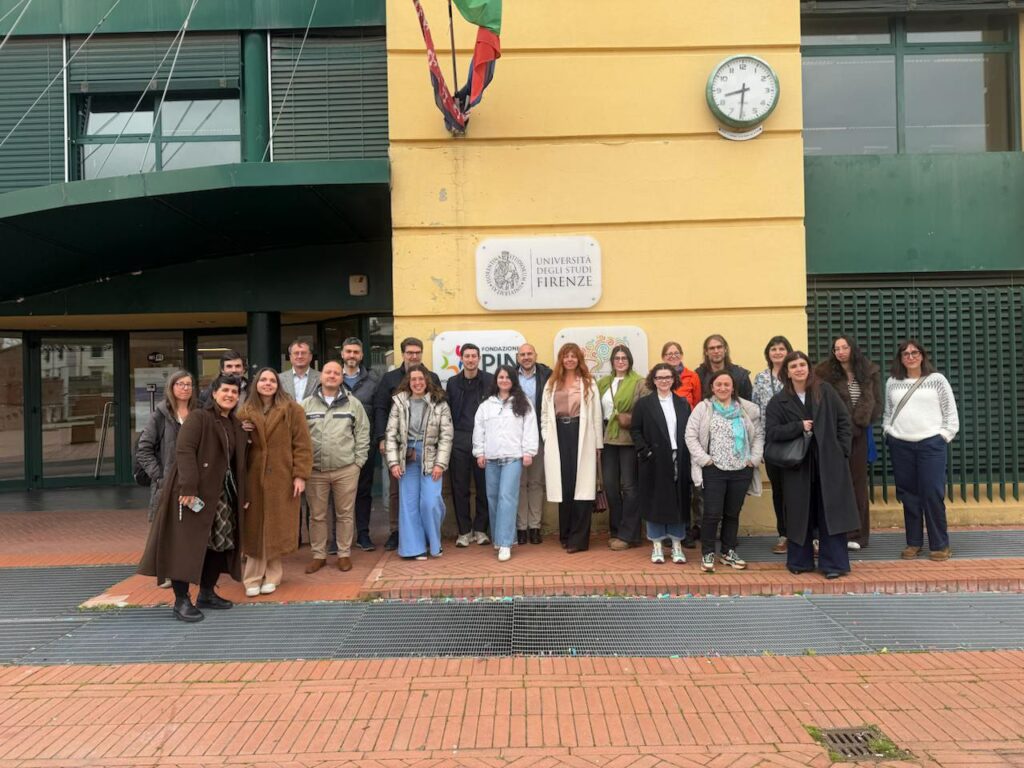
From February 21 to March 2, 2026, Oksana Zakharkevych took part in an international seminar as a member of the Ukrlegprom Association delegation in Prato, Italy.
The training was conducted within the framework of the international project MetaSkills4TCLF. The main objective of the seminar in Italy was to master innovative teaching methods using virtual reality (VR) technologies for the textile, clothing, leather, and footwear (TCLF) sector. Participation in the event enabled the integration of Ukrainian expertise into the development of a new European skills system and provided access to best practices in digital transformation. The event brought together leading experts from 14 partner organizations (Portugal, Italy, Spain, Germany, Greece, France, Poland, and Ukraine) to develop advanced educational standards and tools.
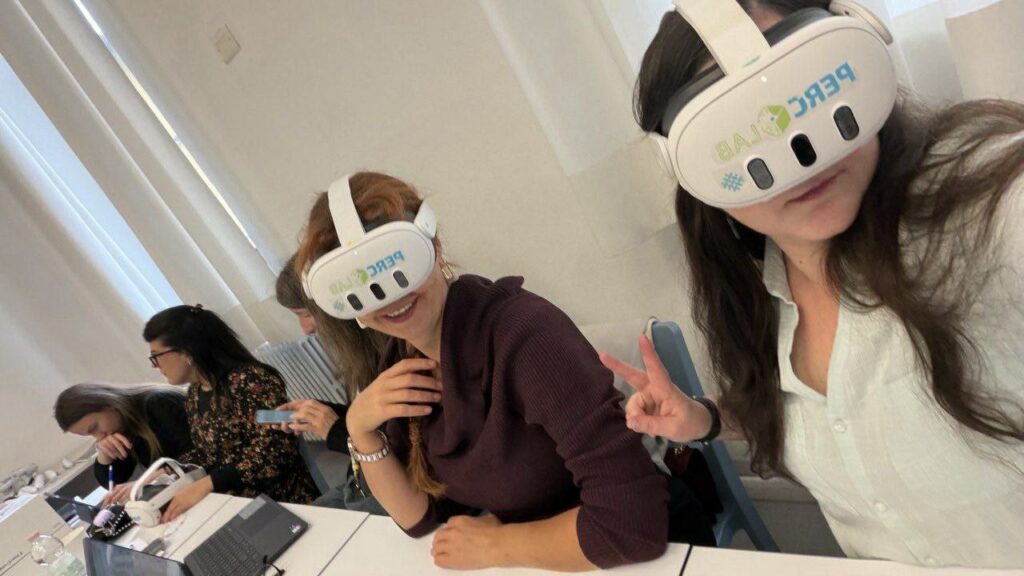
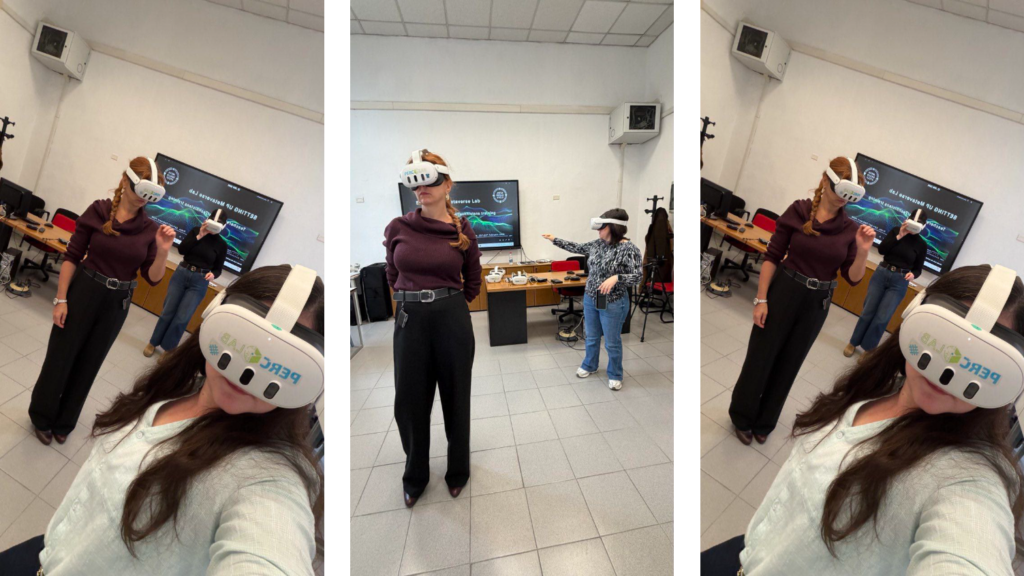
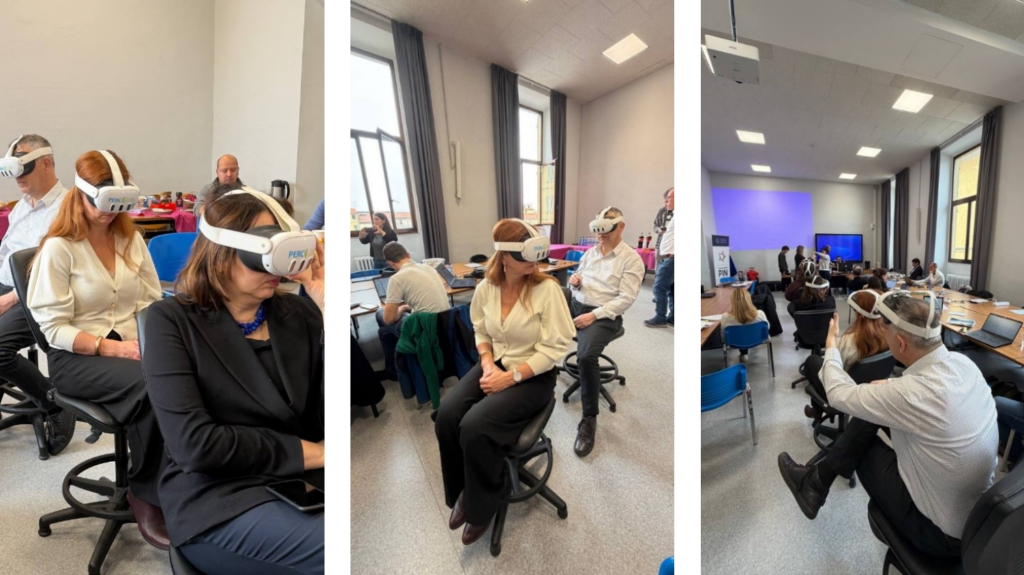
The training focused on the practical use of the MetaSkills VR App—a specialised software solution designed for training professionals in the light industry sector. The program covered technical aspects of VR headset setup, pedagogical approaches to immersive education, and hands-on practice with both single-user and multi-user scenarios.
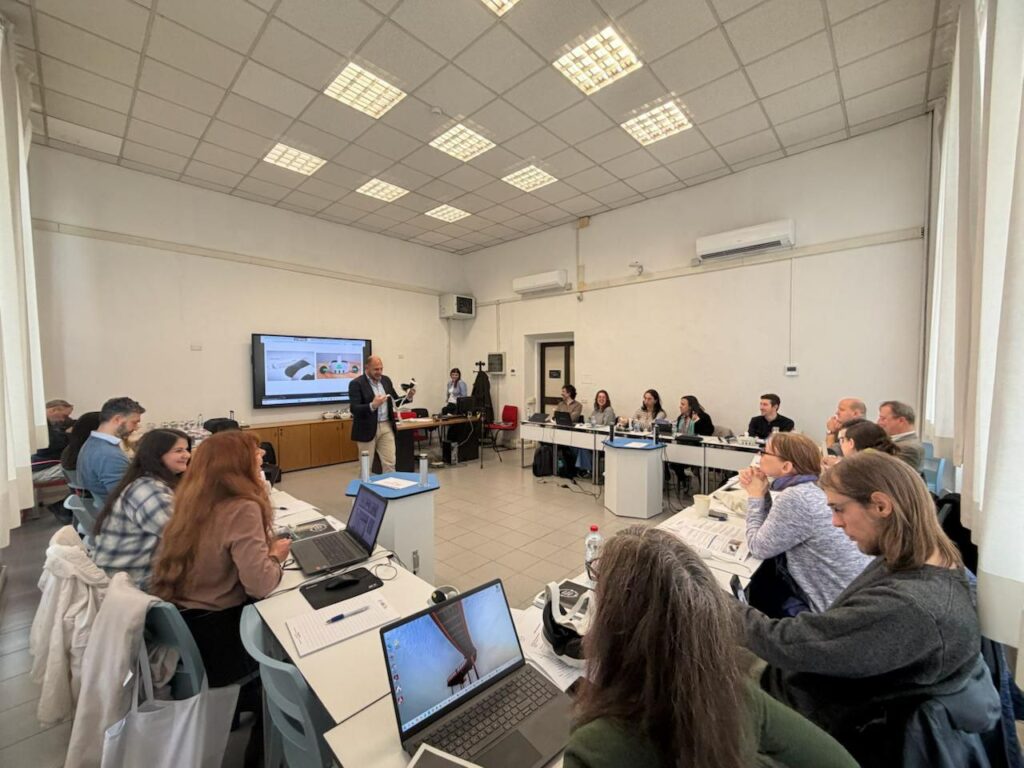
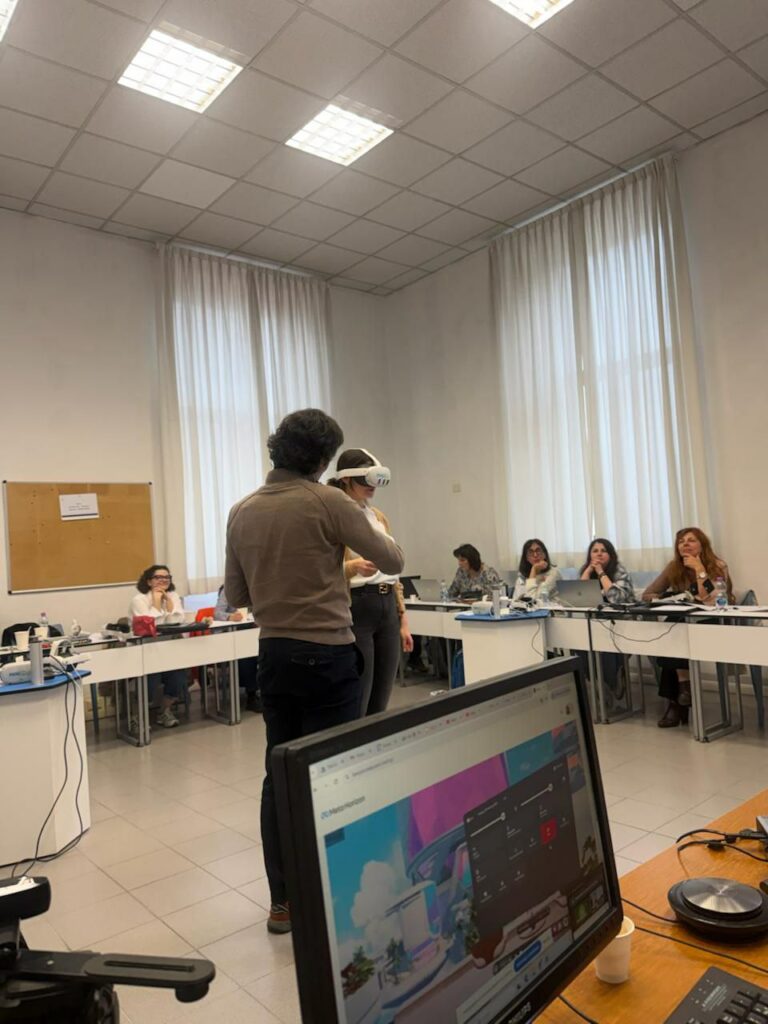
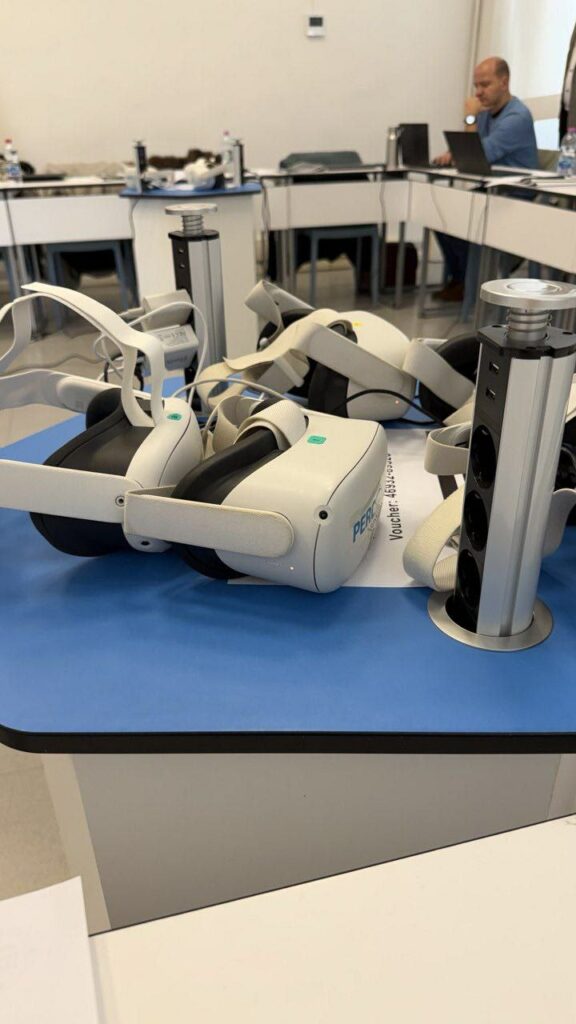
Special attention was given during the discussions to the potential of VR technologies for modelling production processes, safely practising technical skills, organising collaboration in multiplayer environments, and adapting educational scenarios to the needs of different countries and institutions. These approaches demonstrate the significant potential of virtual reality for modernising vocational education and training in the light industry sector.
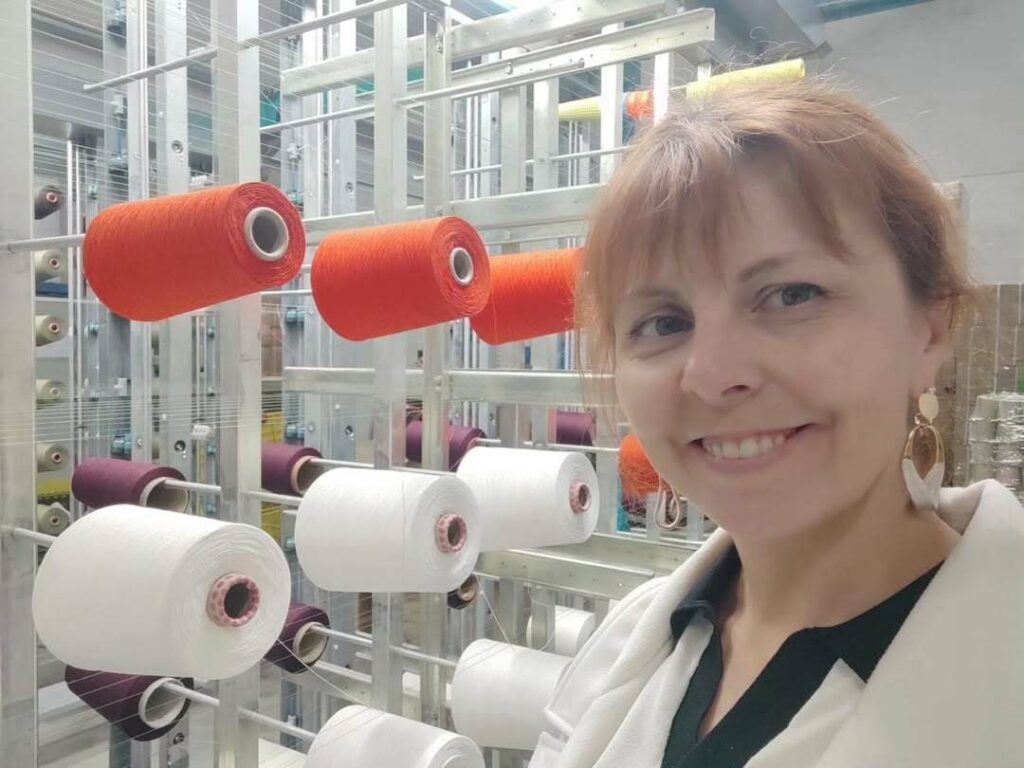
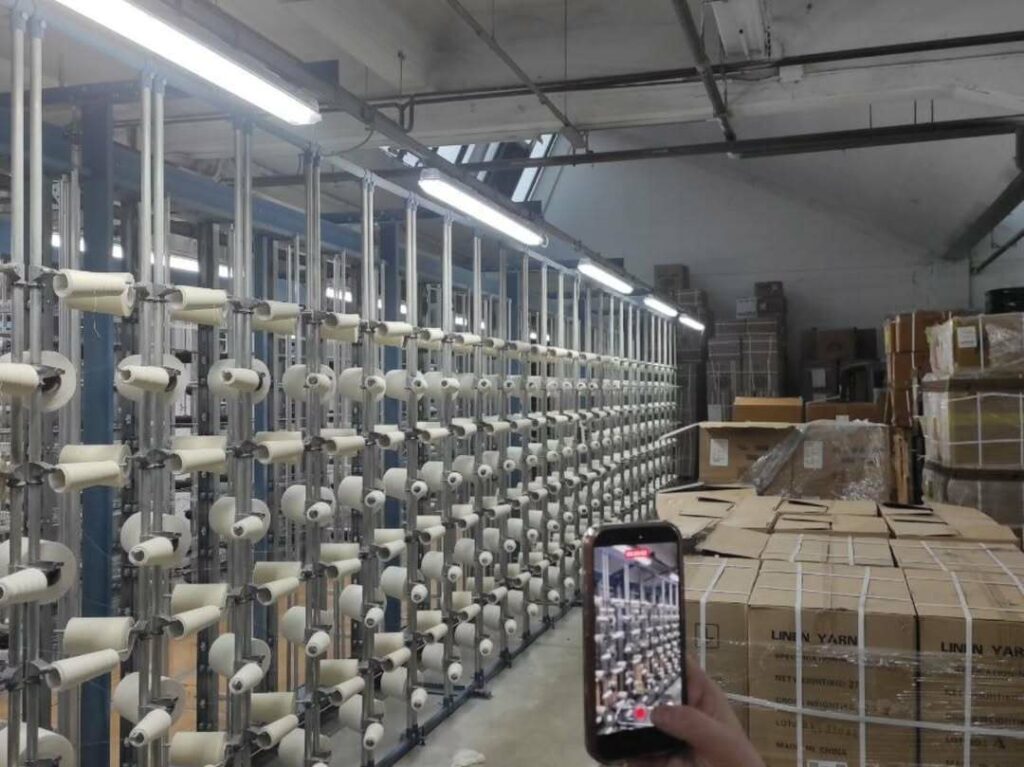
Following intensive work on educational scenarios, participants of the study visit continued the program with study tours to local textile enterprises in Prato. This format allowed them to consolidate the acquired knowledge and observe how principles of digitalisation, sustainable production, and new skills are implemented directly in a real industrial environment.
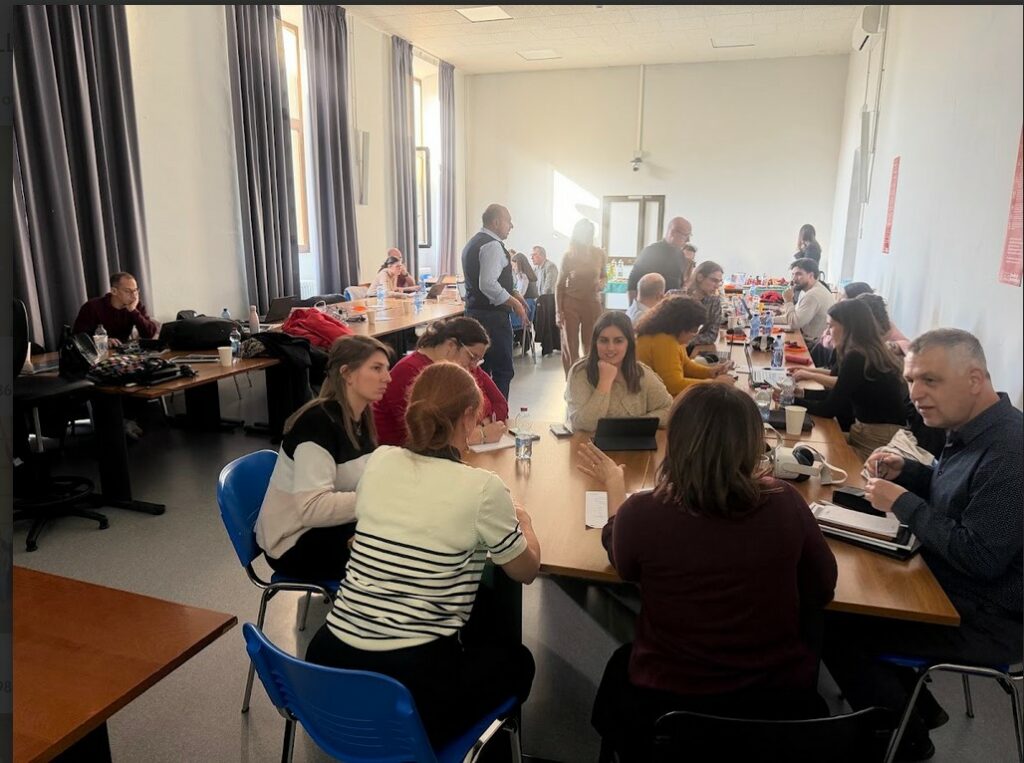
Under the mentorship of Silvia Gambi and the technical team, participants worked in three groups to develop a complete training session using a VR environment.
The working format involved comprehensive activities combining collaborative design and practical testing of educational solutions. At the initial stage, participants jointly developed the lesson structure, defining learning objectives, the logic of content delivery, and the sequence of instructional stages. The next step involved integrating VR experiences into the learning process by incorporating virtual reality elements into pedagogical scenarios to enhance interactivity and learner engagement. This was followed by testing the developed scenarios in both multiplayer and single-player modes, allowing participants to evaluate functionality, usability, and the effectiveness of user interaction with the virtual environment. The final stage consisted of public presentations, during which participants demonstrated their developed educational solutions, discussed outcomes, and shared insights on the application of VR technologies in education. One group conducted a multiplayer session, while others observed the live stream and analysed the methodology. This enabled assessment not only of the technical capabilities but also of the pedagogical effectiveness of VR as a learning tool.
Prospects for Implementation in the Educational Process at Khmelnytskyi National University
Summarizing the outcomes of the training for the Department of Technology and Design of Garments at Khmelnytskyi National University, within the framework of the educational and scientific program G15 “Technologies of Light Industry,” as well as the department’s educational programs, the following strategic steps have been identified: implementation of VR laboratories through the integration of MetaSkills tools into the educational process for visualizing complex production cycles; digitalization of education through the updating of course syllabi with a focus on immersive technologies; and promotion of international validation to ensure that the level of specialist training at the university meets European Digital Skills standards.
Prospects for Application within the Activities of EDIH CLOTEX-HUB
The results obtained will form the basis for expanding the hub’s service portfolio and strengthening its role as a driver of digital transformation. This includes facilitating technology transfer by implementing VR/AR tools as a service for training enterprise personnel; scaling knowledge through demonstration sessions for partners of the Podillia Fashion Cluster using Italian experience; and enhancing the cluster’s role through active participation in international value chains enabled by digital integration.