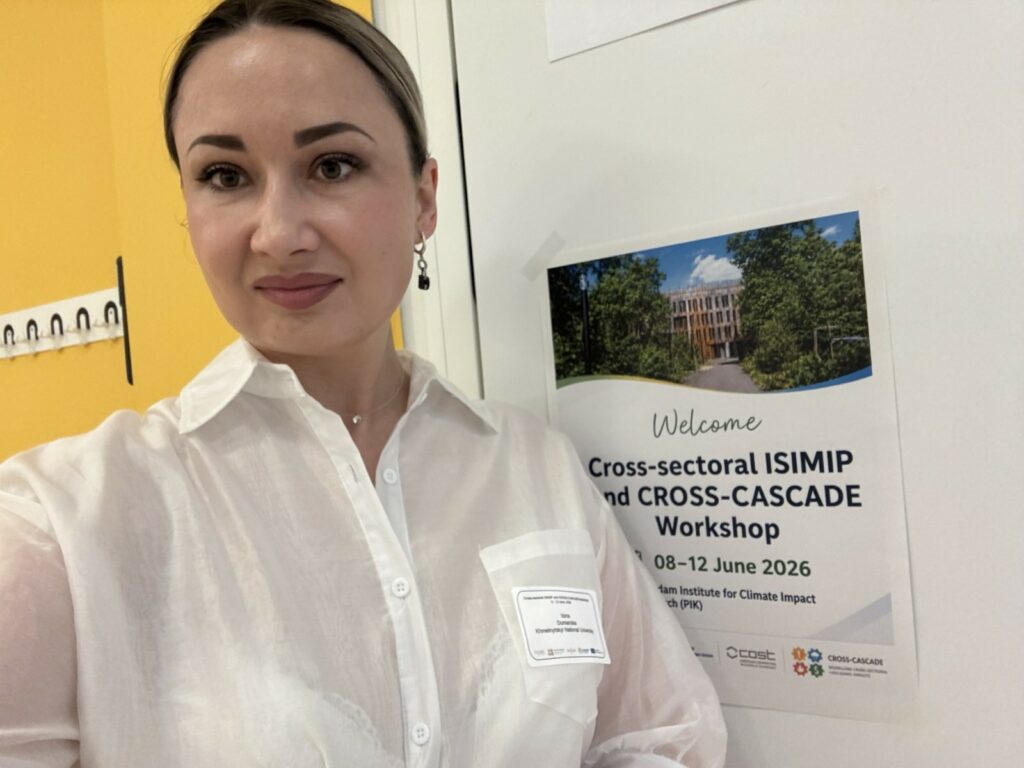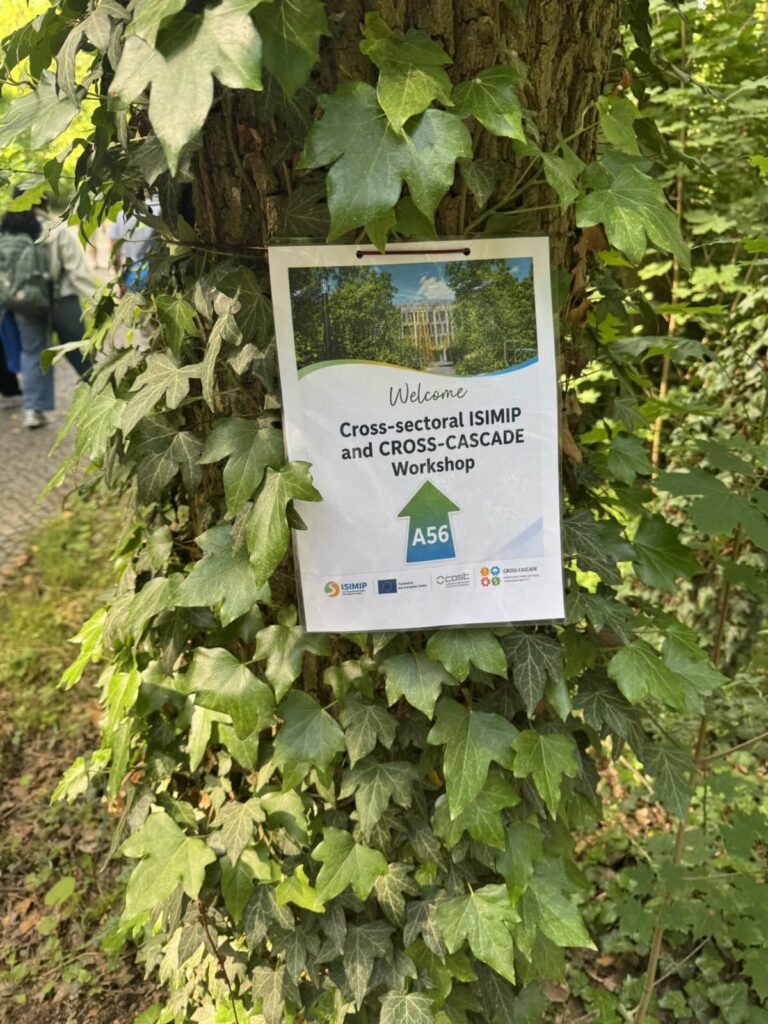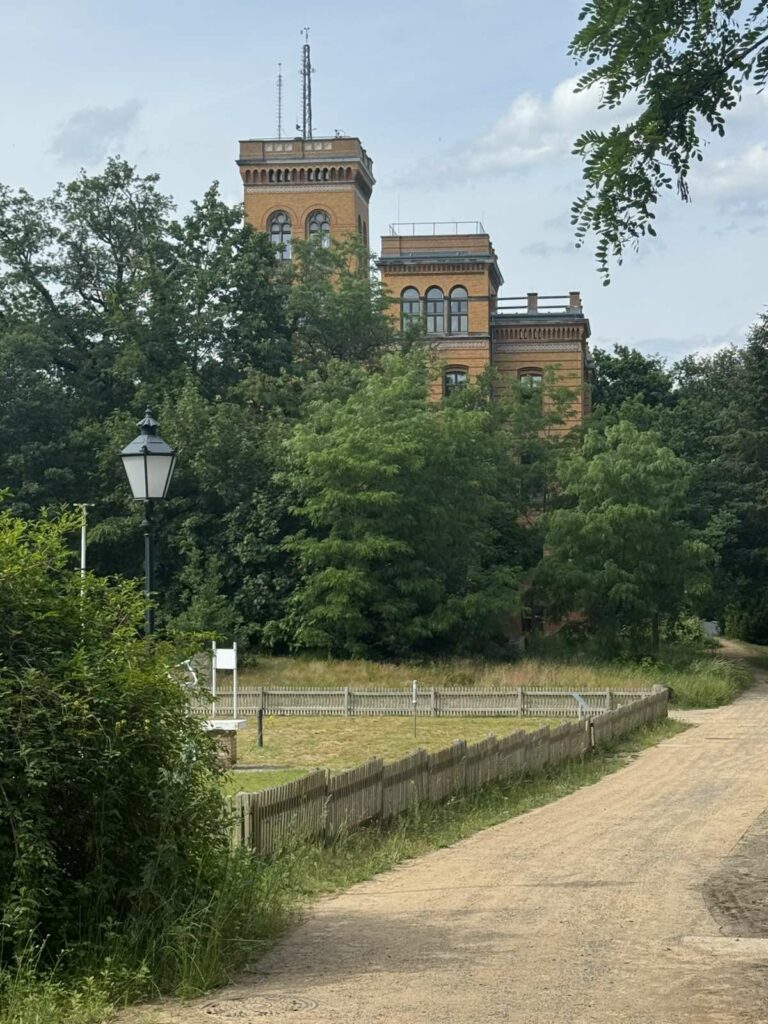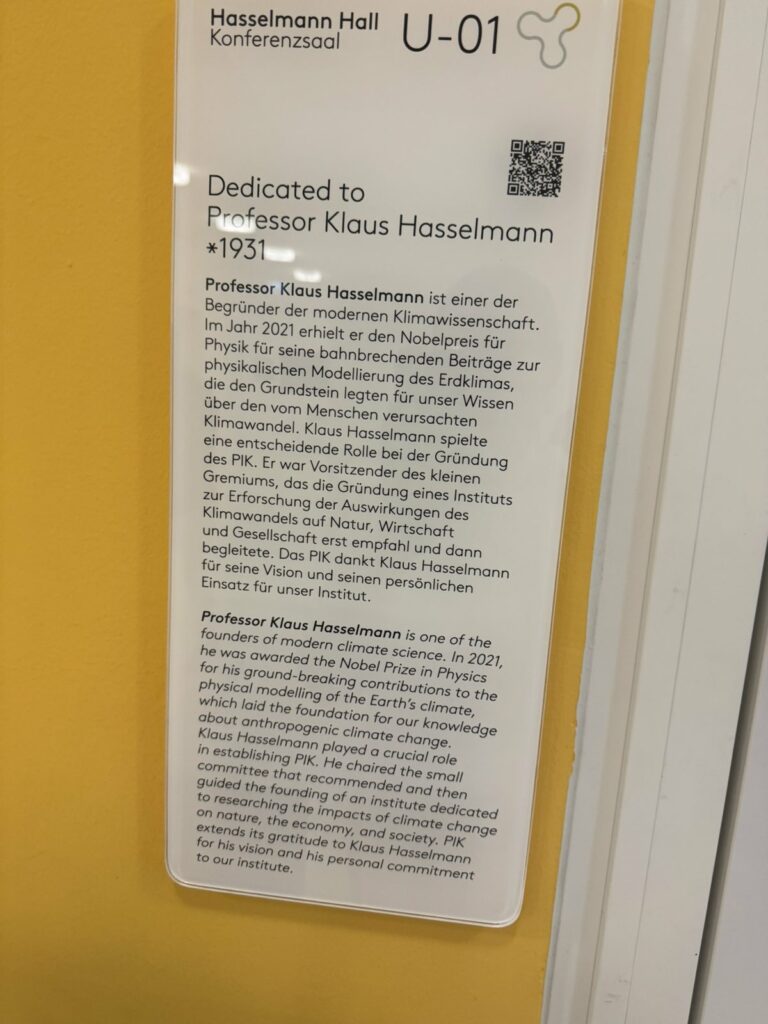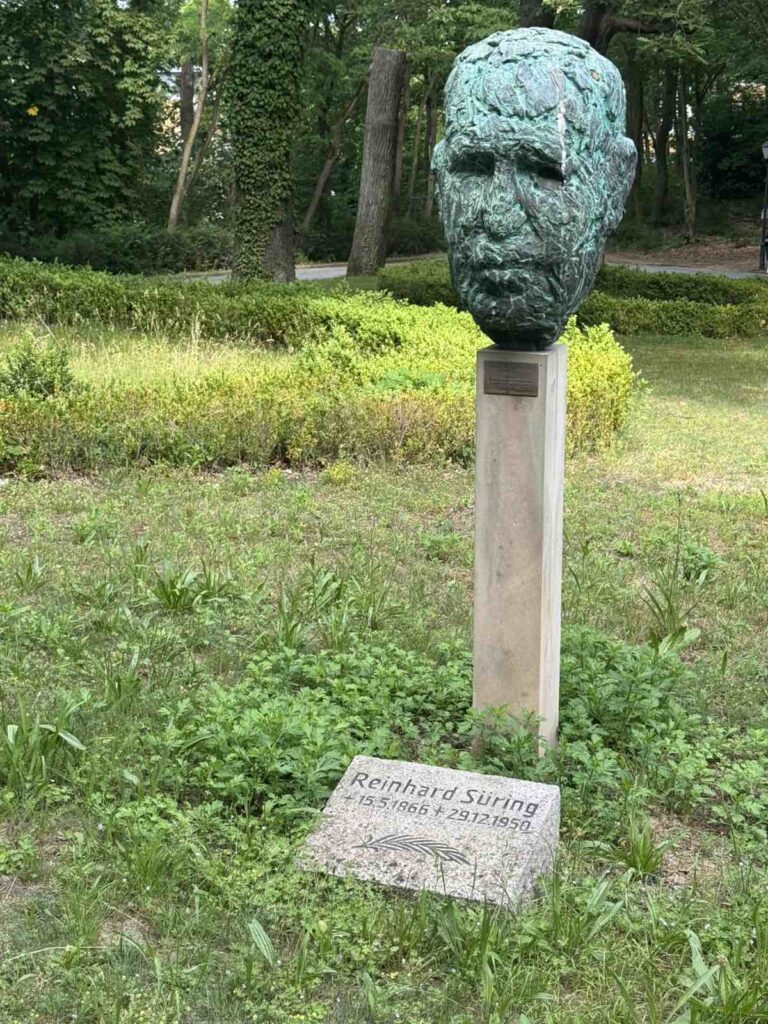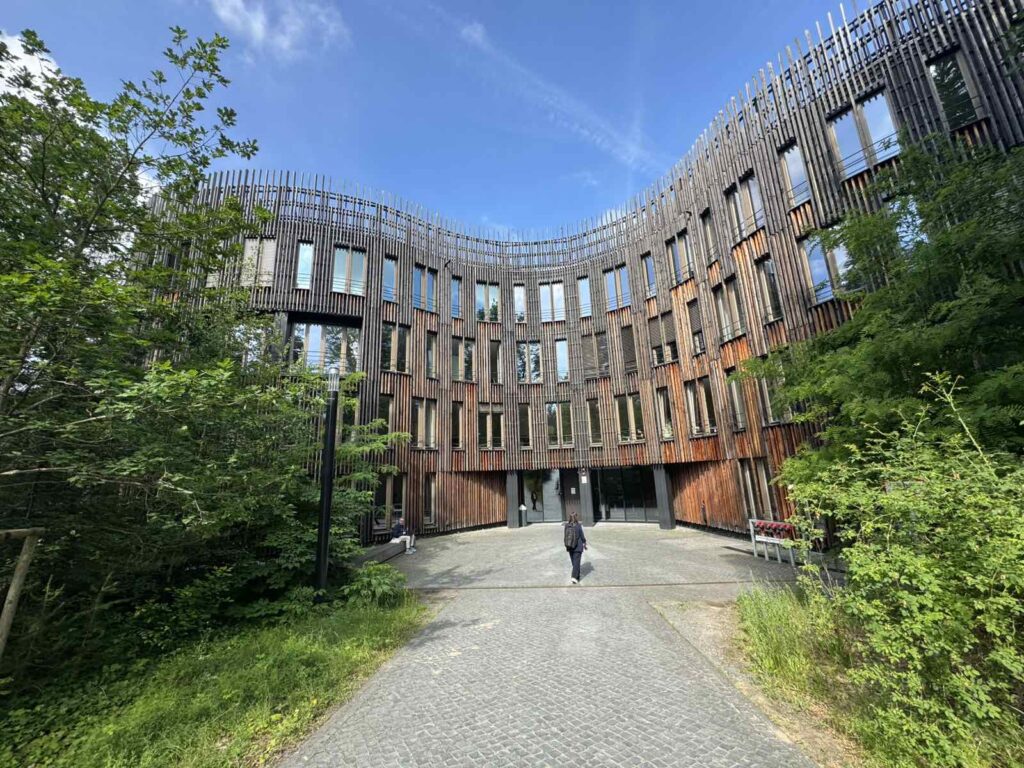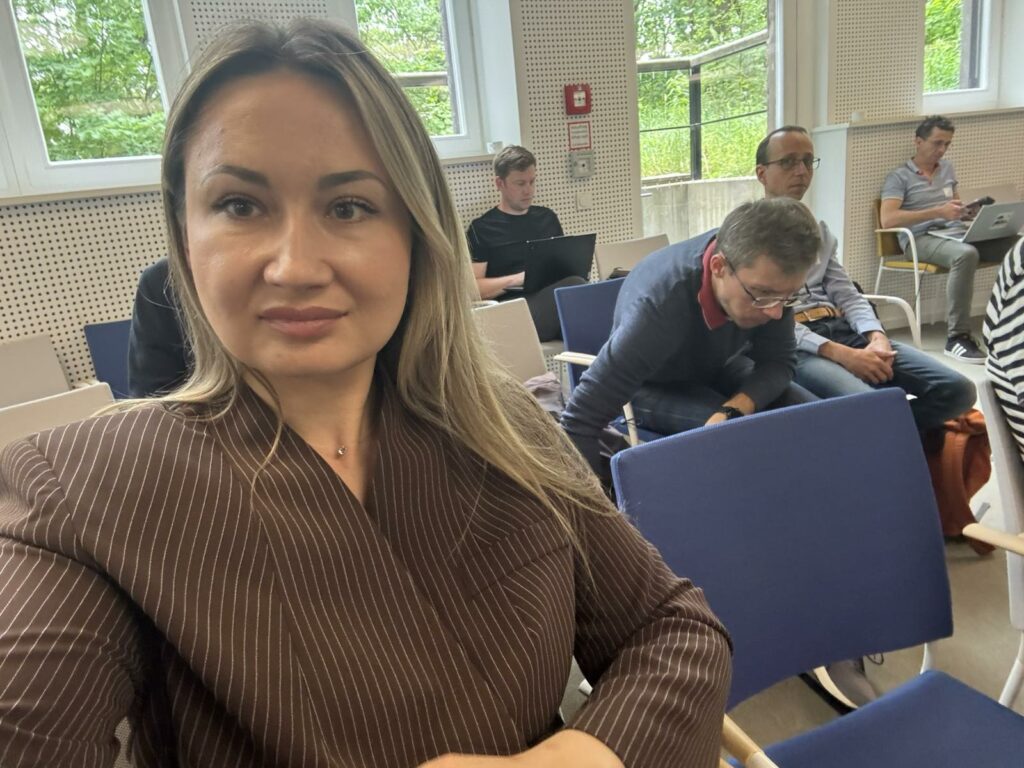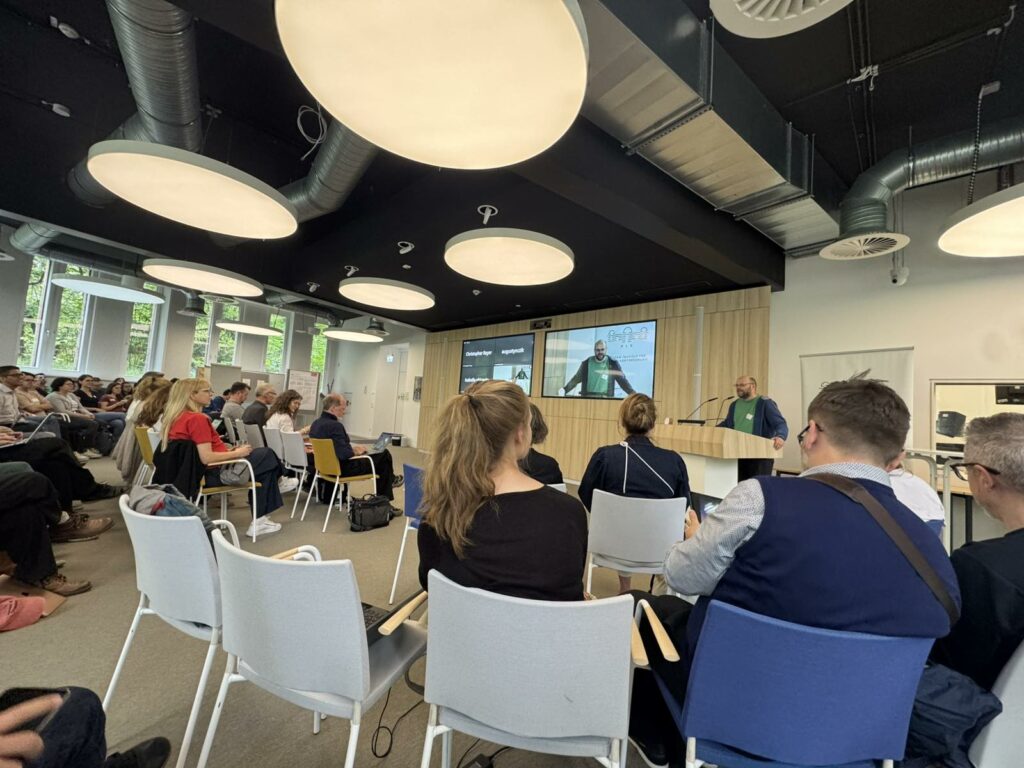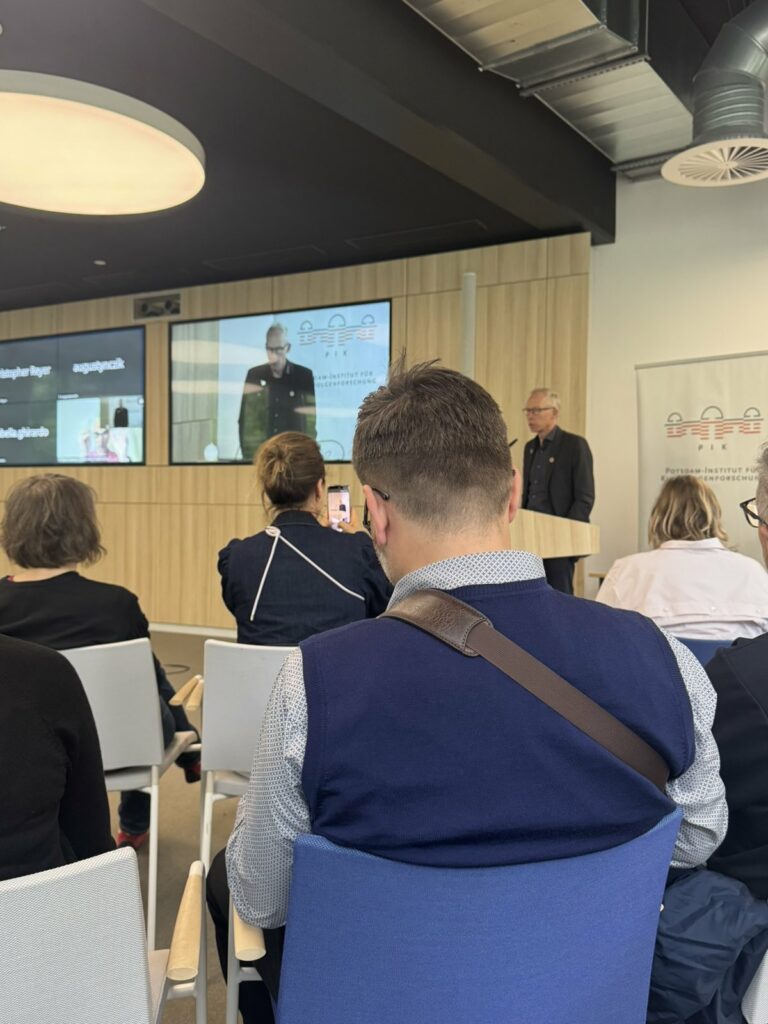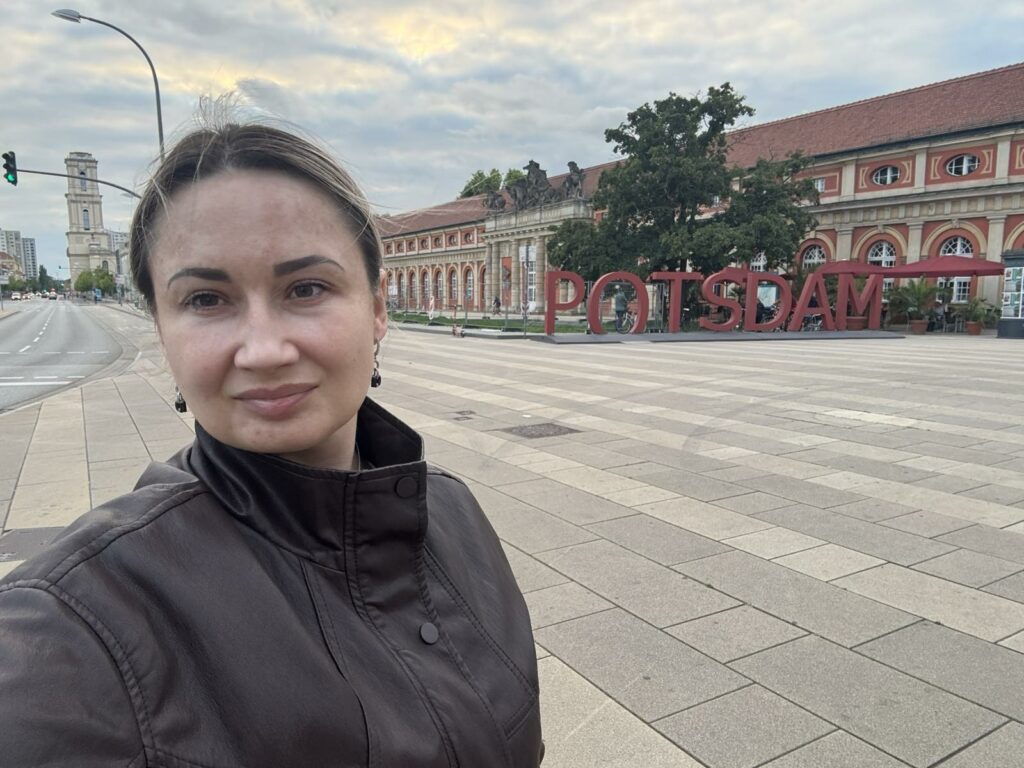
From June 8 to 10, 2026, the Potsdam Institute for Climate Impact Research (PIK) became the centre of a global scientific dialogue by hosting the ISIMIP_CROSS-CASCADE 2026 Intersectoral Summit. Among the participants is Professor Ilona Dumanska, representing Ukraine as a member of Working Groups 3 and 4 of the CROSS-CASCADE project. The project is led by the renowned scientist Christopher Reyer from PIK, who has brought together researchers from various Horizon projects, including ISIMIP, Futura, and others, as well as members of the COST network.
This workshop is a key event of the year for the ISIMIP (Inter-Sectoral Impact Model Intercomparison Project) community and simultaneously the first full-scale meeting of the newly established COST Action CROSS-CASCADE network. The event brought together leading international experts, including confirmed keynote speakers Johan Rockström (PIK), Marina Romanello (University College London), and Bart van den Hurk (Deltares).
The workshop program covers several topics of critical importance for the modern economy:
- ISIMIP input data and protocols;
- Climate impact transmission chain models;
- Coordinated adaptation policies;
- Storylines and policy modelling for co-production.
Particular attention during the plenary sessions is devoted to the processes required for launching the accelerated ISIMIP4 cycle, which will provide a foundation for the future IPCC AR7 report.
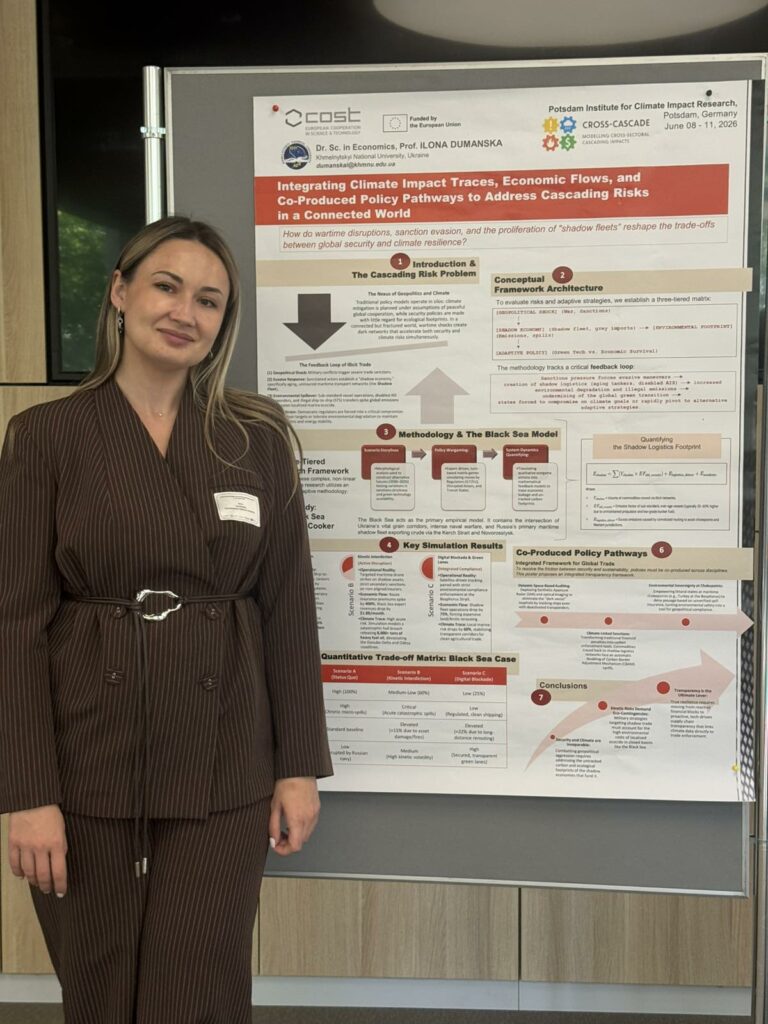
As part of the professional discussions, Professor Ilona Dumanska presented a paper and poster entitled: «Integrating Climate Impact Traces, Economic Flows, and Co-Produced Policy Pathways to Address Cascading Risks in a Connected World». Her research focuses on issues of particular relevance to Ukraine, including the interconnections between wartime destruction, sanctions circumvention, the activities of so-called “shadow fleets,” and their impact on the balance between security and climate resilience.
The study addresses one of the central challenges of the CROSS-CASCADE Action: the propagation of climate risks through non-traditional transmission pathways such as trade and security infrastructures. While conventional climate impact studies often examine biophysical events in isolation, her research investigates how geopolitical disruptions and elements of the shadow economy act as conduits for cascading climate risks. The work contributes to the project’s mission in three key ways: Mapping non-linear transmission chains to trace feedback loops between geopolitical conflict, the emergence of shadow fleets, and resulting environmental consequences such as hydrocarbon pollution and degradation of marine resilience; Using the Black Sea as a model case for integrating diverse datasets; Combining climate trajectory data with economic flow analysis and policy-oriented “war gaming” scenarios to model how cascading risks affect European security and trade stability.
Professor Dumanska’s participation in the workshop is grounded in her extensive expertise in agricultural economics, as reflected in her PhD and Doctor of Sciences research, as well as in her active international cooperation. This includes a recent publication in the journal Energies co-authored with Polish and Croatian colleagues: Bielenia, M., E. Marušić, and I. Dumanska. 2024. “Rethinking the Green Strategies and Environmental Performance of Ports for the Global Energy Transition.” Energies 17(24): 6322. She also serves as a Guest Editor of a special issue of Frontiers in Marine Science and represents Ukraine as a Management Committee (MC) Member in the COST Action CA22122 BlueEconomy project. Participation in events of this scale highlights the growing contribution of Ukrainian researchers to addressing global climate, environmental, and security challenges, while strengthening Ukraine’s presence in international scientific networks and collaborative research initiatives.